San Francisco Endures Its Coldest Summer in Decades
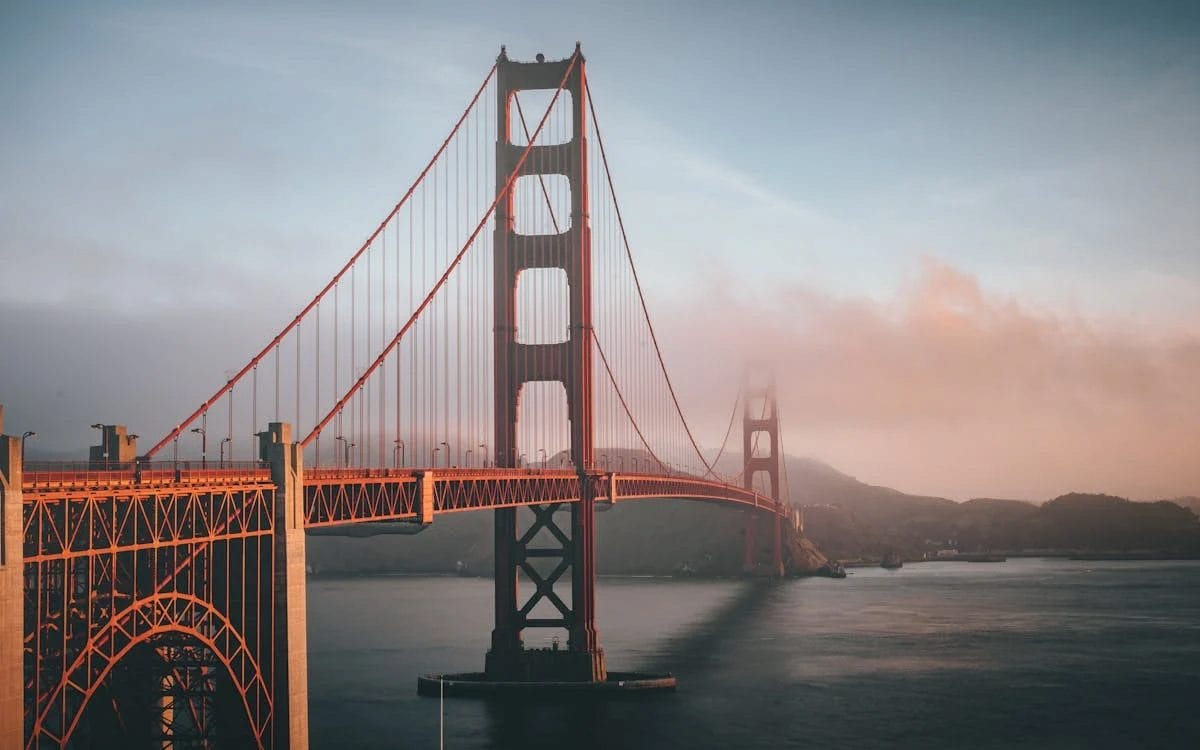
This year, San Francisco’s summer has broken the mold—not with record heat, but with record cool. Locals and visitors alike have been swept up in weeks of overcast skies, chilly mornings, and temperatures that feel more like fall than mid‑July.
How Unusual Has It Been?
- Between June 1 and July 15, San Francisco International Airport recorded an average high temperature of just 67.6°F, making this the coolest start to summer since 1965. In contrast, only two days reached 70°F—far below the typical 14–15 at this point in the season.
- Cities across the Bay Area—from Oakland to San Jose—have also logged some of their coldest early summers on record in decades.
What’s Driving the Chill?
This persistent cool spell is tied to a coastal low-pressure trough and unusually cold ocean water that feeds a deep marine layer, trapping fog along the shoreline and suppressing daytime warmth. San Francisco’s weather depends heavily on whether a high-pressure dome forms over California; without it, warmer inland air struggles to reach the coast.
What Locals Are Noticing
- Many say they’ve had to wait for summer clothing all season. Morning layers and grabbing a sweater even in July has become the norm.
- On the bright side, cooler and slightly wetter conditions have helped reduce wildfire risk. Moist coastal air kept vegetation damp and lowered overall fire danger.
Is This Climate Reversal or Just a Quirk?
While summers across California have warmed over the decades—average temps in SF rose ~2.2°F since 1970—this year’s foggy spell stands out as a localized anomaly. Experts label it a temporary shift in weather patterns rather than a climate reversal.
What’s Coming Next?
Forecasters expect a gradual warm-up through August, especially in inland valleys where highs may reach the high 80s or low 90s. Coastal areas, however, are likely to stay cooler as the marine layer persists in some form.
Why This Matters
- Think seasonal tourism: Foggy mornings and chilly afternoons may surprise visitors expecting warm summer days.
- Know when to work on energy habits: Fewer heat waves mean lower cooling costs, but flip-flopping temperatures still require flexible routines.
- Understand hazard patterns: Cooler weather has eased fire threats—but as dry August skies approach, the window could close quickly.
Looking to make the most of the cooler weather? Check out how the city shines outdoors in San Francisco Named Best Hiking City in the U.S.
More…
- San Francisco chronicle: “This Bay Area location is having its coldest summer since 1965”
- Axios: “SF’s summer chill is breaking decades‑old records”
- CBS News Bay Area: “Bay Area breaking records during one of its coldest summers in decades”
- KQED science: “Cool for the Summer: Bay Area Sweater Weather Could Linger Into August”
- San Francisco Chronicle weather forecast: “Heat finally returns, but how long will it last?”