12 Tips for Timing Your Trip to California
Timing your trip to California isn’t just about picking a sunny week—it can shape your entire experience. Sure, the state offers beaches, warm weather, and laid-back energy, but the best time to visit depends on more than just that. From packed summer crowds to wildflower seasons and shifting microclimates, timing your trip to California can make or break your plans. These 12 tips will help you plan like a local.
12 Tips for Timing Your Trip to California
1. Understand the Regions—and Their Peak Seasons

California isn’t a one-season-fits-all kind of place. The timing of your trip should depend on which part of the state you’re visiting.
- Southern California (L.A., San Diego): March–May and September–November for sunny skies without extreme heat.
- Northern California (San Francisco, Napa): April–June or early fall for clear weather and fewer crowds.
- Deserts (Palm Springs, Joshua Tree): November through March is ideal; summer is too hot for comfort.
Timing tip: Avoid July and August unless you’re sticking close to the coast. Expect higher prices and heavy crowds during these months.
2. Plan Around the Wildflower Bloom

Spring brings California’s wildflowers—and they don’t last long. If you’re hoping to catch the colorful fields, timing is everything.
- When to Go: Mid-March to early May. The bloom typically starts earlier in desert regions.
- Where: Antelope Valley Poppy Reserve, Anza-Borrego Desert, Carrizo Plain National Monument
- Costs: Most sites are free or charge small parking fees (around $10–15)
Wildflower seasons vary based on rainfall, so stay updated by following bloom reports. The California State Parks website and @castateparks on Instagram are good places to check before you head out.
3. Use Summer for Coastal Adventures
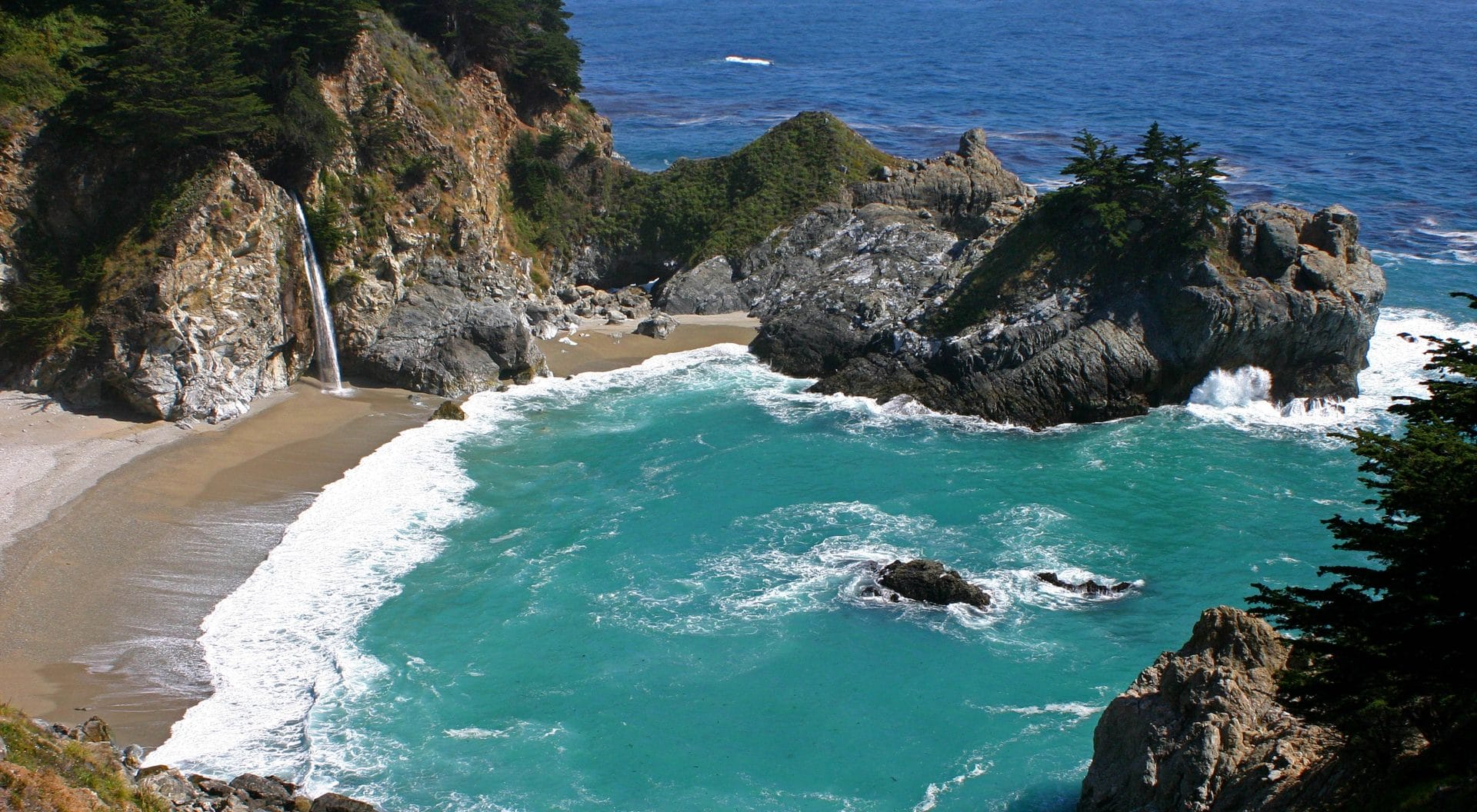
California summers can be intense. Inland areas heat up, popular attractions get crowded, and prices climb. That said, if you time it right and stay coastal, summer can still be a good option.
- Where to Go: Santa Barbara, Monterey, San Diego, Santa Cruz
- Why: Coastal breezes keep temperatures manageable, and summer is ideal for beach time, surfing, and boardwalks
- What to Watch Out For: In Northern California, coastal areas like San Francisco are often foggy in June and July
4. Travel Off-Season
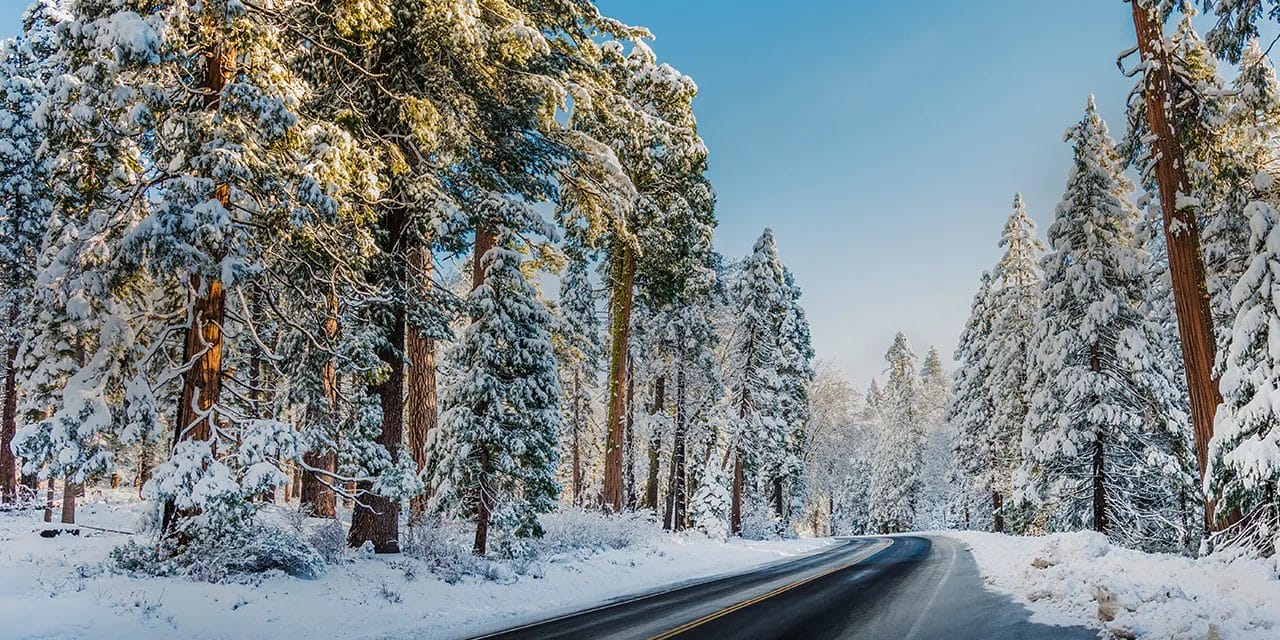
Fall and winter may be off-season for some travelers, but they can be ideal if you’re looking for a more relaxed and cost-effective California experience.
- Fall (September to November): Best for wine regions like Napa and Sonoma, scenic drives, and fewer crowds at national parks
- Winter (December to February): Great time for city exploration (San Francisco, LA), desert trips without the heat, and coastal whale watching
- Ski Season: Peaks in the High Sierra from December through March
You’ll often find cheaper flights and hotel deals during these months. Just watch for rain in the north and road closures in mountainous areas.
5. Sync Your Trip with Local Events
California hosts some of the biggest events in the U.S., so timing your trip around one can give you a more immersive experience. Just be aware that lodging can book out fast and prices tend to rise.
- Coachella (April): Internationally known music and arts festival in the desert
- SF Pride (June): One of the largest and most inclusive Pride events in the world
- Monterey Car Week (August): Automotive shows, races, and auctions
- California State Fair (July): Classic state fair with food, rides, and exhibits in Sacramento
- Restaurant Weeks: Rotating dates by city—great chance to try top spots for less
Check city-specific tourism boards and Instagram accounts like @visitcalifornia or our previous blog posts on San Francisco Carnaval Festival & Parade to keep an eye on major events.
6. Factor in Microclimates and Daily Weather Swings
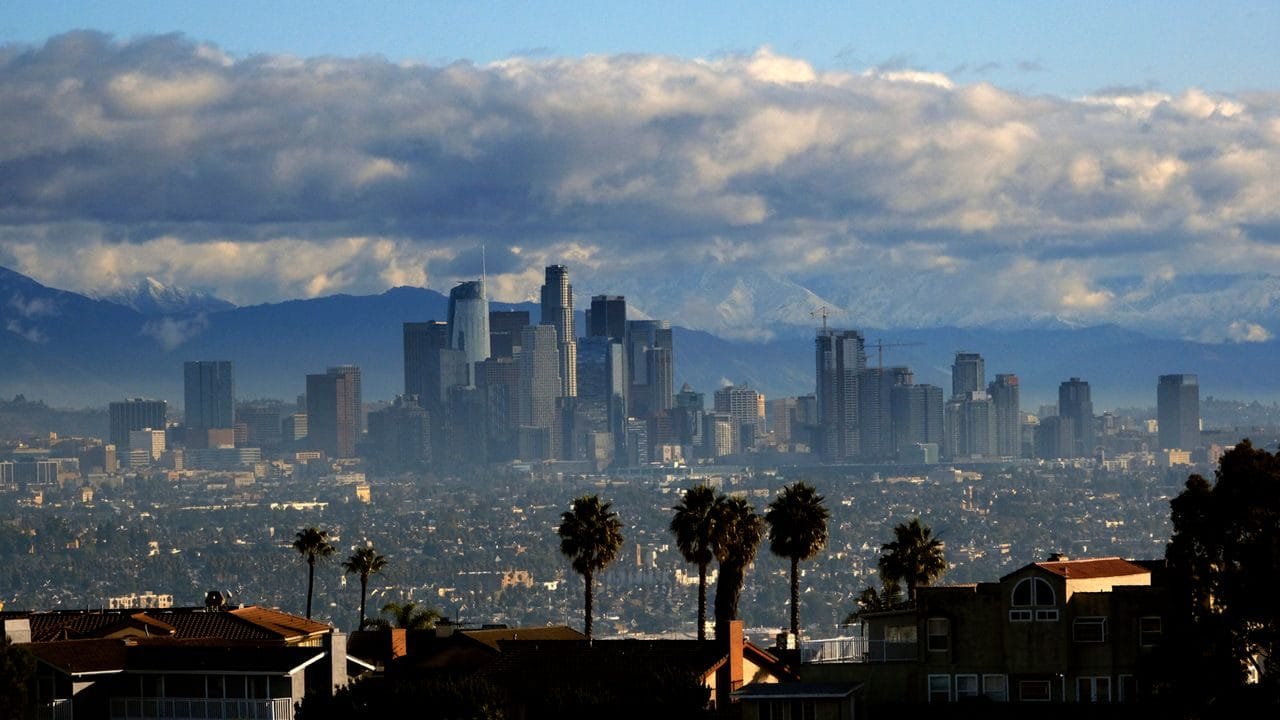
California is notorious for drastically different weather even within the same city.
- San Francisco: Downtown may be foggy and 60°F, while 20 minutes inland it’s sunny and 80°F
- Los Angeles: Beach towns stay cool, but neighborhoods like the Valley can get over 90°F
- What to Pack: Always bring layers—a light jacket, breathable pants, and a change of shoes go a long way
Weather apps that offer neighborhood-level detail (like Weather Underground) will give you a more accurate picture than general forecasts.
7. Watch for Fire Season in Late Summer and Fall

California’s beauty comes with a caveat: wildfire season. Fires typically peak from August through October, especially in inland and mountainous areas.
- Where it hits: Sierra Nevada, wine country, and parts of Southern California
- Impact: Road closures, poor air quality, and last-minute park shutdowns
- What to Do:
- Monitor sites like Cal Fire or air quality apps before and during your trip
- If you’re planning outdoor activities in late summer or early fall, stay flexible with your route and have a Plan B in case of smoke or fire-related closures.
8. Consider Weekday vs. Weekend Timing

Even in off-peak months, weekend travel can feel hectic in certain areas. Some destinations are locals’ weekend escapes and become packed from Friday through Sunday.
- Examples: Napa Valley, Lake Tahoe, Santa Cruz, Joshua Tree
- Why it matters: Hotel prices spike, restaurant reservations fill, and traffic builds
9. Book National Parks Early for the Right Season

California’s top parks require planning ahead, especially in peak seasons.
- Yosemite: Visit May–June for waterfalls. Day-use reservations are required in peak season (via Recreation.gov). Campsites and lodges book 4–6 months out.
- Death Valley: Best from November–March. No entry permit, but book hotels (via TravelDeathValley.com) and campsites early.
- Sequoia & Kings Canyon: Roads open late June. Reserve lodging at VisitSequoia.com and campsites on Recreation.gov.
10. Time Your Coastal Drives for Maximum Visibility

If a California road trip is on your list (especially Highway 1), poor timing can turn scenic drives into foggy disappointments.
- Best Months: Late April to early June or September to October
- Problem Times: “June Gloom” and “No-Sky July” in Southern and Central California can cover coastlines in mist until late afternoon
- What to do: Start drives mid-morning to allow fog to lift and plan overnight stays in inland towns for clearer skies.
11. Use Shoulder Seasons to Explore Wine Country

Wine lovers often aim for harvest season (August to October), but that’s also when prices and crowds peak. Shoulder seasons offer a quieter charm.
- When to Go: April to early June or late October to November
- Where: Napa Valley, Sonoma, Paso Robles, Temecula
- What to Expect: More availability for tastings, smaller crowds, and lower lodging costs
12. Know When to See Marine Life

Timing a coastal trip around wildlife migrations can turn a good beach visit into something memorable.
- Gray Whale Migration: December to April (best from January to March)
- Sea Otters & Harbor Seals: Visible year-round along the Central Coast
- Tide Pooling: Winter months have the lowest tides for exploring marine life up close
- Top Spots: Point Reyes, Monterey Bay, Dana Point, La Jolla Cove
California’s wide range of climates and landscapes means that the best time to visit really depends on your goals. Whether you’re looking for quieter travel, perfect weather, or can’t-miss events, the right timing can elevate your experience from average to unforgettable.
More…