How to Get Around San Francisco Without a Car: Muni, BART & Cable Cars Guide
Getting around San Francisco without a car is easier than many visitors expect. The city’s compact layout, dense neighborhoods, and strong public transportation network make driving unnecessary for most trips. Parking is limited, streets are steep, and traffic can be unpredictable, so many locals rely on transit instead.
This guide explains how to get around San Francisco without a car using Muni, BART, cable cars, and other convenient transportation options. Whether you are visiting the city or have recently moved here, these transit systems can help you travel efficiently across San Francisco in 2026.
Muni: The Backbone of City Travel
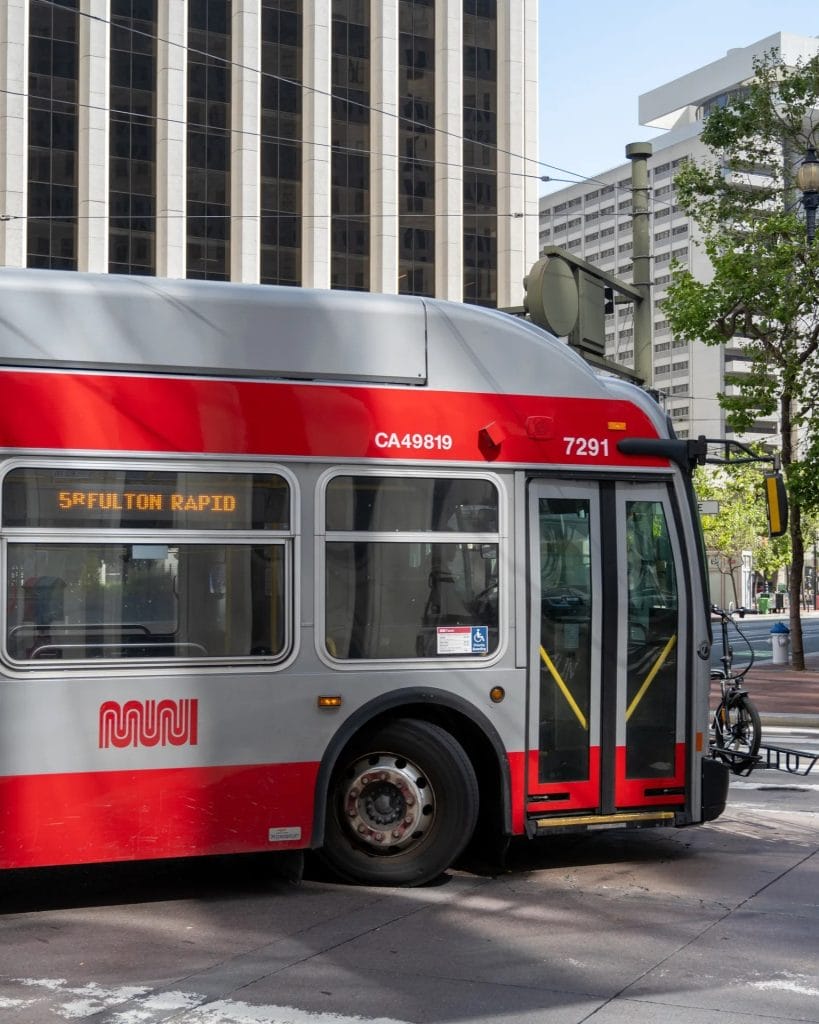
Muni is the primary public transportation system used for getting around San Francisco without a car. Operated by the San Francisco Municipal Transportation Agency (SFMTA), it includes buses, light rail trains (Muni Metro), historic streetcars, and the city’s famous cable cars. Because Muni connects most neighborhoods, it serves as the backbone of daily transit across San Francisco. In December 2025, the system introduced a convenient upgrade that allows riders to tap a regular credit or debit card for single rides, eliminating the need to preload a transit card.
Fares and Passes:
- Adult single ride: $2.85 via Clipper or MuniMobile; $3.00 when paying cash. Each fare is valid for 120 minutes.
- Day pass: $5.70 for unlimited rides on buses, trains, and streetcars.
- Monthly pass: $86, or $104 when the pass includes cable cars.
- Youth riders: Children 18 and under ride free on regular Muni services (excluding cable cars).
Pro tip: Keep proof of payment after boarding, as fare inspectors may request it during checks.
BART: Fast Regional Connections
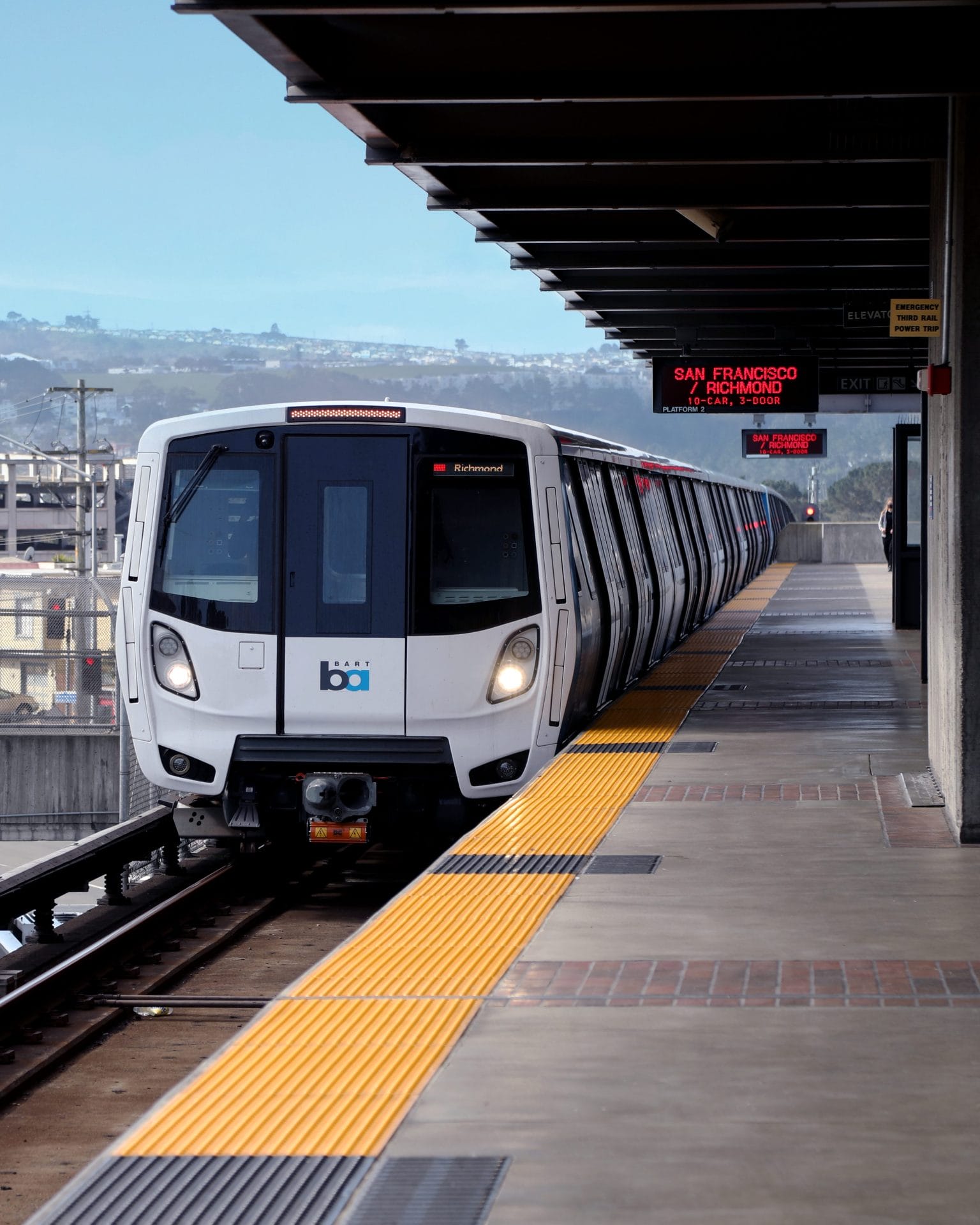
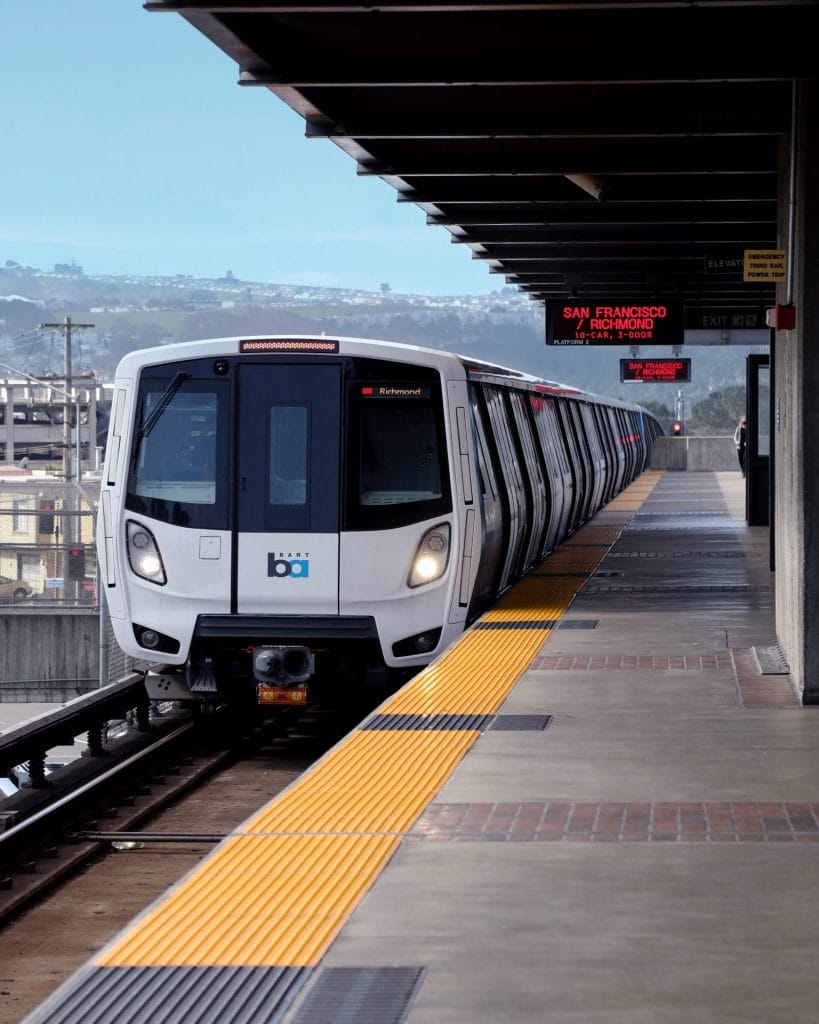
Bay Area Rapid Transit (BART) is the best option for longer trips when getting around San Francisco without a car. It connects the city to major destinations such as San Francisco International Airport, Oakland, Berkeley, and other parts of the Bay Area. In 2025, BART introduced contactless Tap-and-Ride payments, allowing riders to use credit cards or mobile wallets directly at fare gates without buying a Clipper card.
As of January 1, 2026, fares increased by 6.2% to support service improvements. In addition, the Next Generation Clipper system now allows automatic transfer discounts within 120 minutes when switching between transit agencies.
Best for:
- Airport trips to SFO
- Downtown commuting
- Travel to Oakland or Berkeley
Cable Cars: Scenic, but Pricey
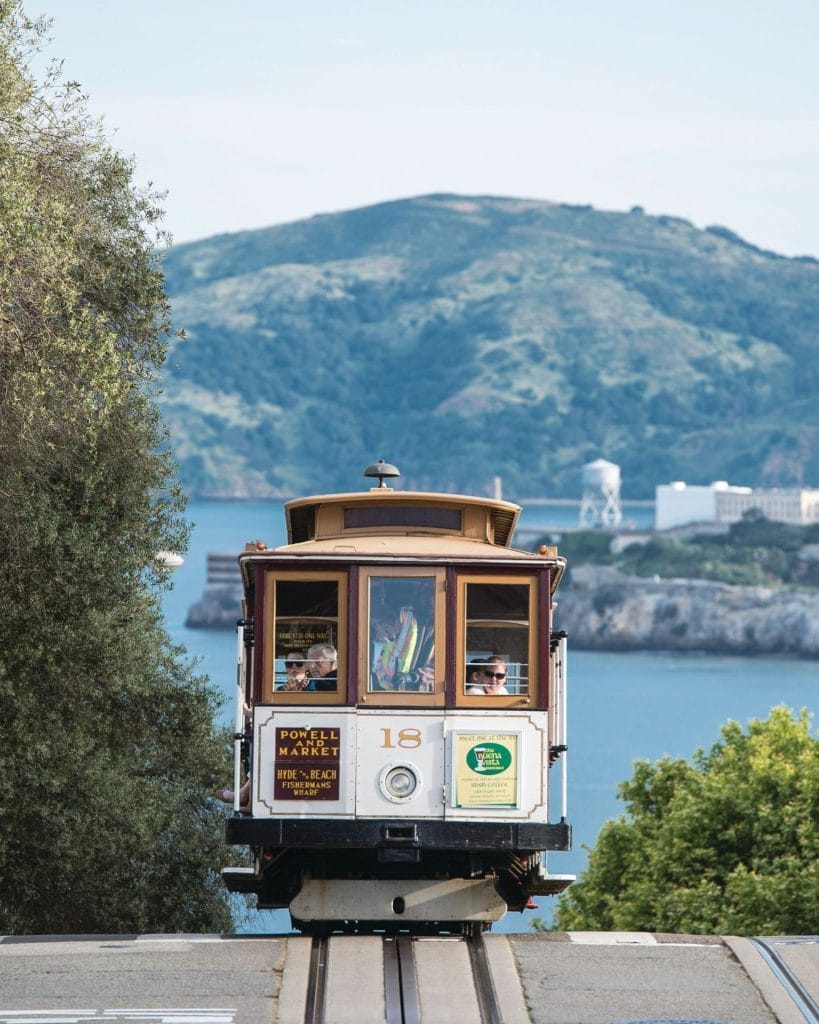
Cable cars are one of the most iconic ways to experience San Francisco, but they are not typically used for daily commuting. Most locals treat them as a scenic ride rather than regular transportation. While they offer incredible views of the city’s steep hills and historic streets, they are mainly designed for sightseeing and short trips.
Typical Pricing: –
- Around $9 per ride for adults (slightly cheaper with Clipper).
- Discounts available for youth, seniors, and riders with disabilities.
- No transfers included, unlike buses or Muni Metro.
Pro tip: Visitor passports ($15–$47 depending on duration) include unlimited cable car rides and can be a good value if you plan to ride multiple times during your stay.
Clipper: The Transit Power Tool
Clipper is the main payment system used across Bay Area public transportation. It works on systems like Muni, BART, Caltrain, and ferries, and can be used through digital wallets, mobile apps, or physical cards. With the newer Clipper system, transfer discounts are now applied automatically when riders switch between transit agencies within two hours, helping reduce overall travel costs.
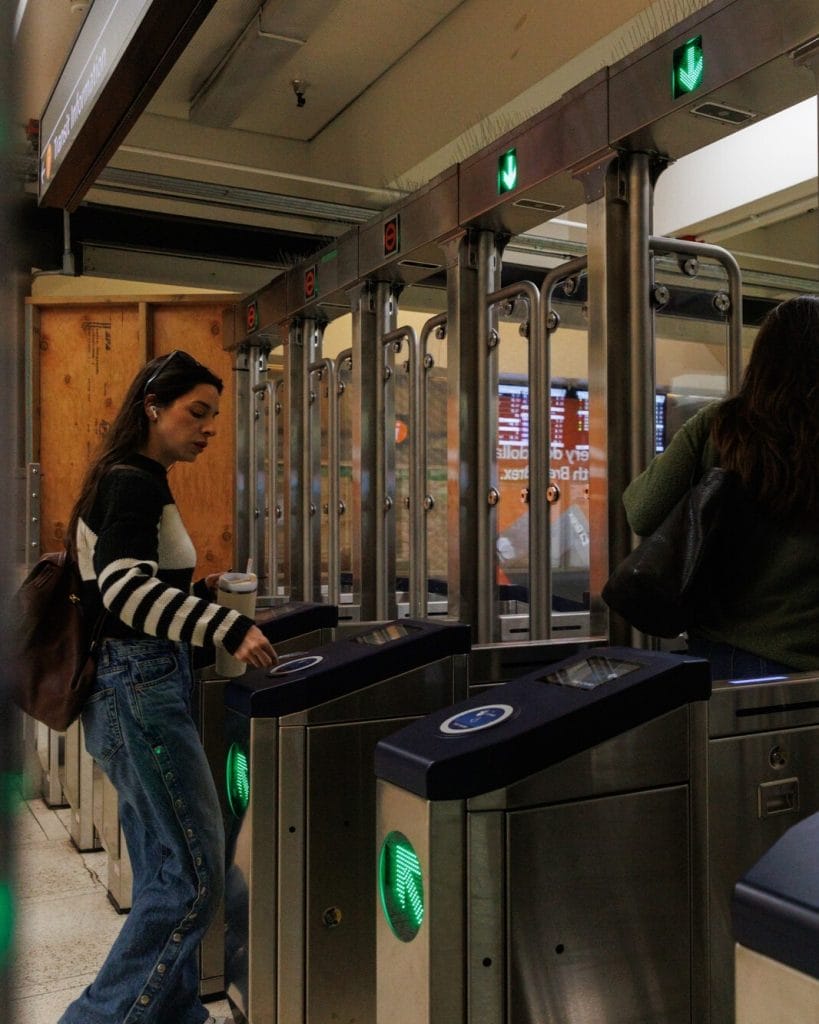
Bottom line: If you plan to use multiple transit systems while getting around San Francisco without a car, Clipper remains one of the most flexible and convenient payment options.
Bikes, Ferries, and Alternatives
Getting around San Francisco without a car isn’t limited to buses and trains. The city also offers bike sharing, ferry routes, and walkable neighborhoods that make exploring easy. Many locals combine these options with public transit to move efficiently across the city.
Bike Share Is Booming
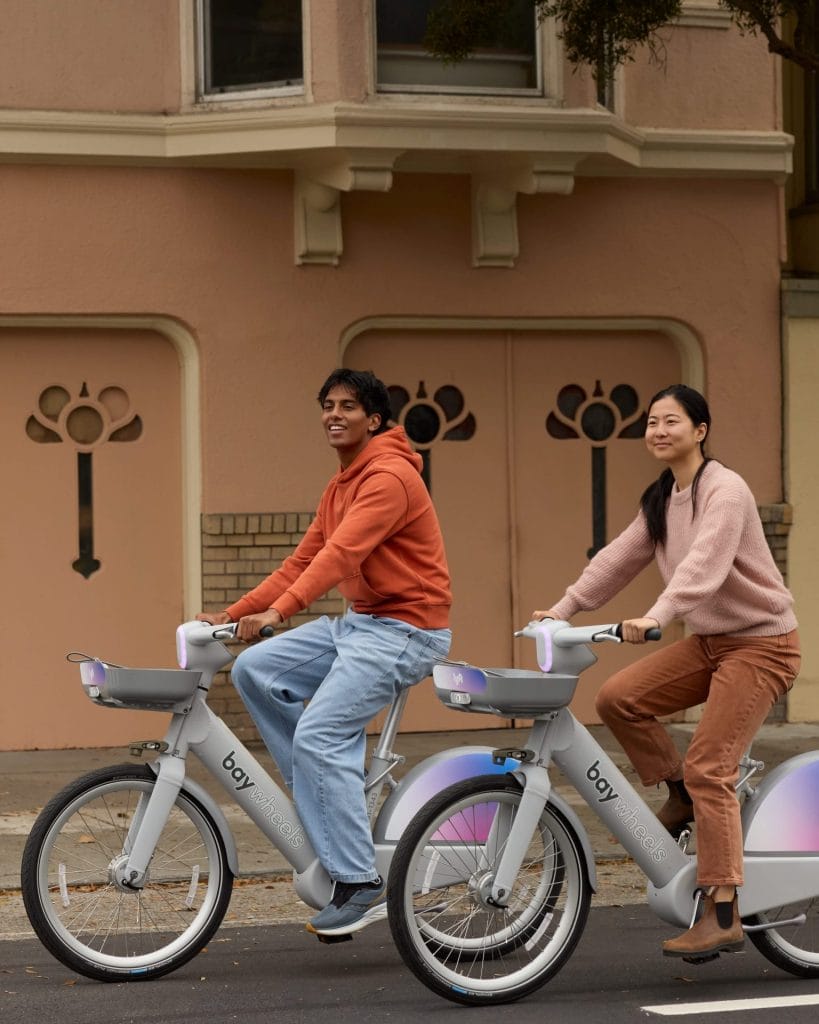
San Francisco’s Bay Wheels bike-share network reached record ridership in 2025 after expanding stations and adding more e-bikes. These electric bikes help riders tackle the city’s steep hills more easily. Many commuters also use bikes to connect with major transit hubs like BART stations and ferry terminals.
Great for: short urban trips, waterfront rides, and visits to parks.
Ferry Trips
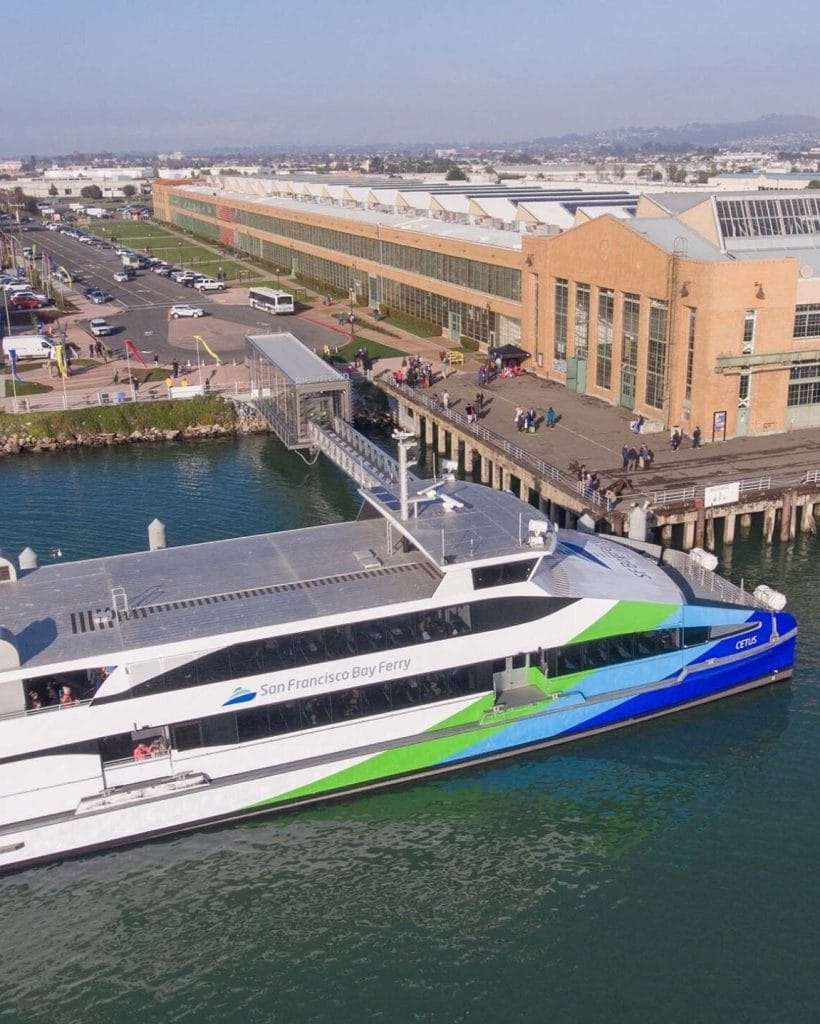
Ferries provide both practical transportation and scenic views of the Bay. Routes connect San Francisco with the East Bay, North Bay, and Marin County, making them a relaxing alternative to driving across bridges.
Walking
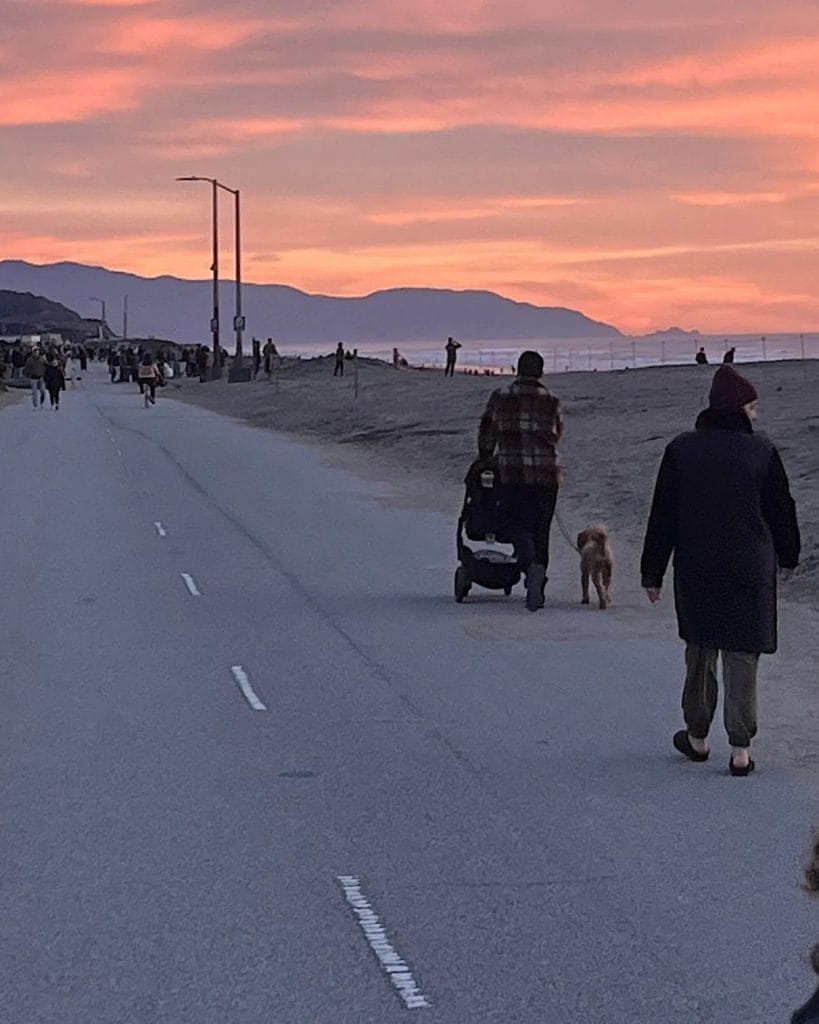
San Francisco is a surprisingly walkable city, especially in dense neighborhoods like North Beach, the Mission, and Hayes Valley. Just be prepared for steep hills and comfortable walking shoes.
Smart Tips for Car-Free Travel
- Mix transit modes: Use Muni for local travel and BART for longer distances.
- Tap instead of waiting: Contactless payments help you skip ticket lines.
- Consider transit passes: Visitor passports can save money if you ride frequently.
- Use bikes strategically: Bikes are useful in areas where transit connections are limited.
More…
- https://www.sftravel.com/info/transportation-basics-how-to-get-around-san-francisco
- https://www.sfmta.com/getting-around-san-francisco
- https://ardencove.com

Hi! I’m Vivian, a video editing and content creation intern at Hungry416 and OverHere. I’m passionate about content creation and exploring everything the city has to offer! From fun activities to the latest good eats in the buzzing food scene, I give the best of what this city has to offer, a stage to shine on!