3-Day San Francisco Itinerary (Car-Free Travel Guide)
San Francisco is one of the easiest cities in the United States to explore without a car. Compact neighborhoods, scenic waterfront routes, historic streetcars, and reliable public transit make it possible to visit many of the city’s top attractions in just a few days.
This 3-day San Francisco itinerary is designed for travelers who want to experience the city efficiently while avoiding traffic and parking challenges. From iconic landmarks to vibrant neighborhoods and beautiful public spaces, this guide shows how to explore San Francisco comfortably using transit, ferries, and walking.
Day 1: Waterfront Icons & Historic Neighborhoods
Start the first day of your 3-day San Francisco itinerary along the northeastern waterfront. Many of the city’s most famous attractions are located within walking distance here, making it easy to explore without a car.
Morning: Fisherman’s Wharf & Pier 39
Begin at Fisherman’s Wharf, one of San Francisco’s busiest tourist areas. The district is known for seafood restaurants, historic ships, and maritime museums.
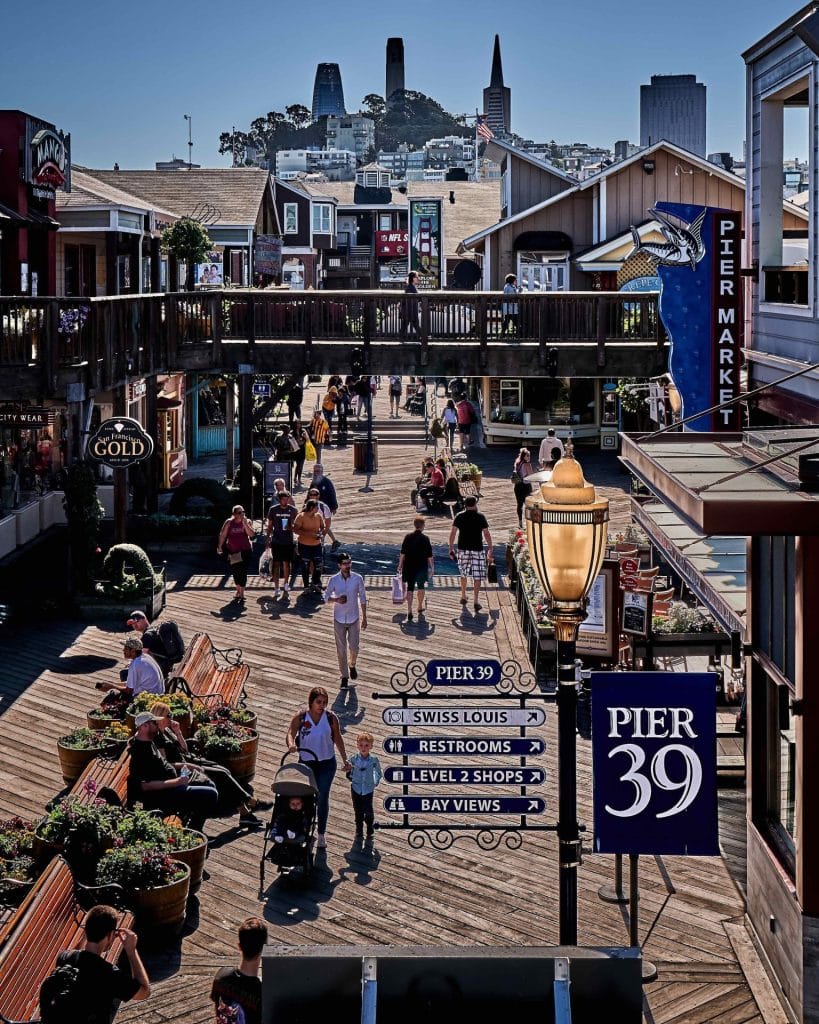
A short walk away is Pier 39, a lively waterfront destination with shops, restaurants, street performers, and an aquarium. The docks nearby are also home to the famous California sea lions, which have become a major attraction for visitors.
Tip: Arrive early in the morning to avoid crowds and enjoy clearer views of the bay.
Afternoon: Ferry Views or Alcatraz
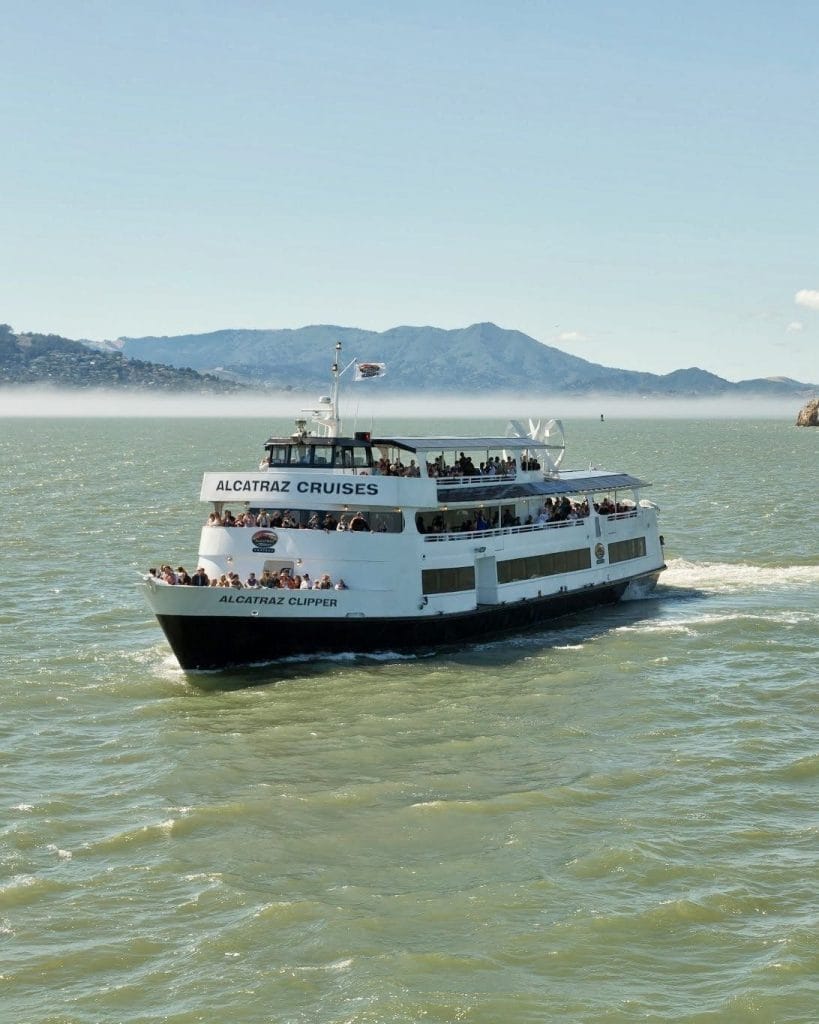
From Pier 41, ferries depart regularly to destinations like Sausalito, Angel Island, and Oakland. These ferry rides offer great views of the Golden Gate Bridge, Alcatraz Island, and the San Francisco skyline.
If you plan to visit Alcatraz Island, allow around 2–3 hours to explore the historic prison and exhibits after the ferry ride.
Evening: Cable Car Ride
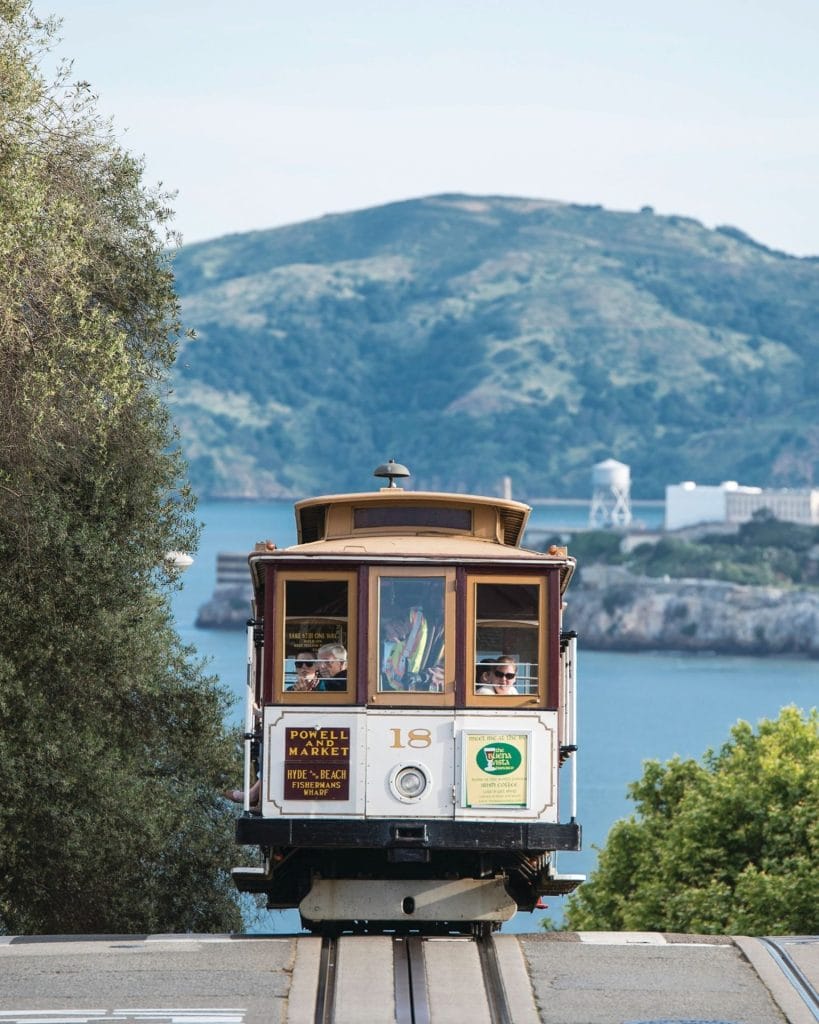
In the evening, take a ride on the Powell–Hyde cable car line, one of the most scenic routes in the city. The line runs between downtown and Fisherman’s Wharf and offers impressive views of the bay and Alcatraz.
Consider stopping at Ghirardelli Square, a historic landmark known for its restored clock tower, shops, and waterfront views.
Day 2: Parks, Coastlines, and New Public Spaces
The second day of this 3-day San Francisco itinerary focuses on outdoor spaces and scenic landscapes. San Francisco offers beautiful parks, coastal views, and new public spaces that are easy to explore without a car.
Morning: Golden Gate Park Area
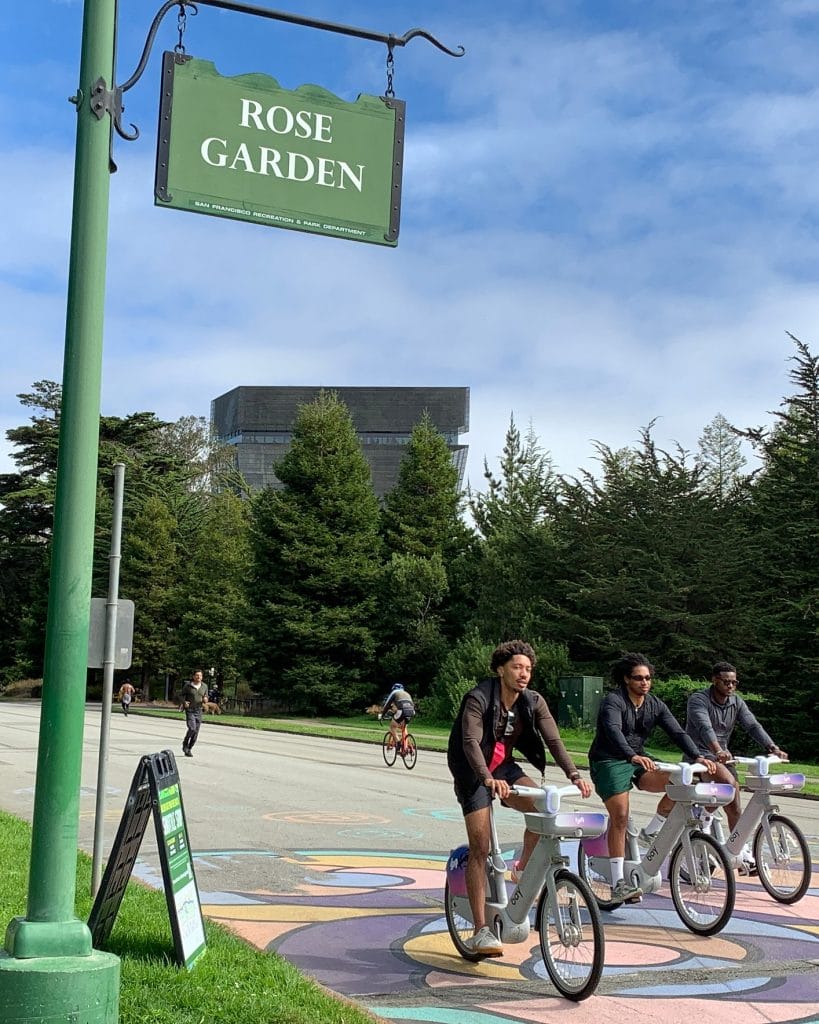
Start the day at Golden Gate Park, one of San Francisco’s largest and most famous green spaces. The park features museums, gardens, lakes, and miles of walking and biking paths.
Many of the surrounding streets have been redesigned to prioritize pedestrians and cyclists. Rent a bike or use public transit to reach the park, then explore the area at your own pace.
Afternoon: Oceanfront Walk at Sunset Dunes
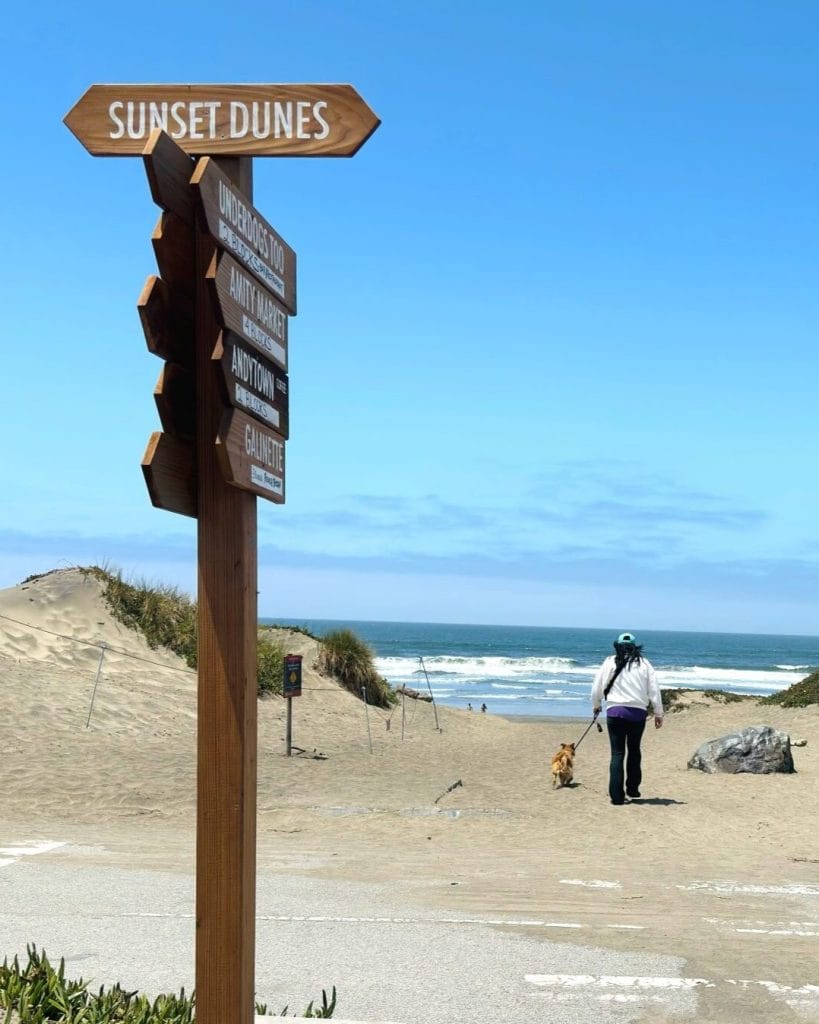
Next, head toward Sunset Dunes, a two-mile coastal park that opened in 2025. The space was created by converting a former roadway into walking and cycling paths.
Today, the park includes art installations, exercise areas, and relaxing spots with views of the Pacific Ocean. It offers a quieter alternative to some of the city’s more crowded scenic viewpoints.
Evening: Downtown & Market Street
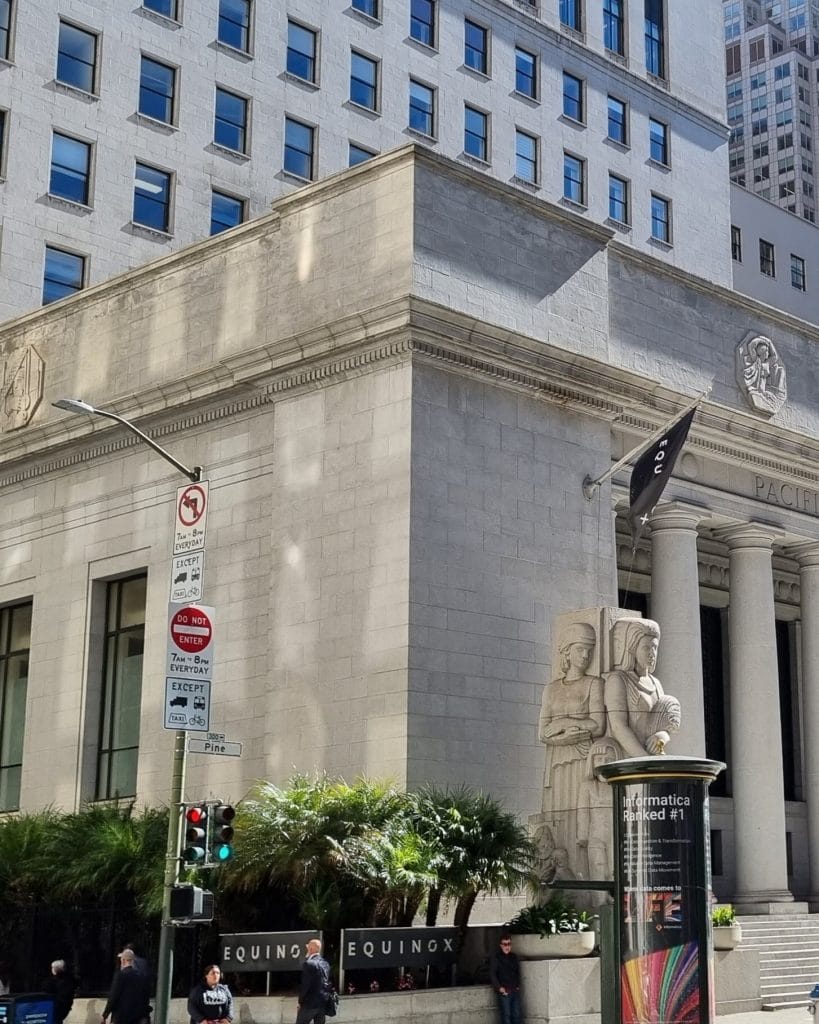
In the evening, travel toward Market Street, one of the city’s main corridors connecting the Ferry Building, downtown, and the Castro District. The area is easy to reach using Muni or BART.
Grab dinner nearby and spend some time exploring Union Square or nearby neighborhoods on foot.
Tip: A major redesign of Powell Street is expected to begin construction in fall 2026, adding café seating, lighting, and wider sidewalks to improve the downtown experience.
Day 3: Skyline Views, Culture & Flexible Exploring
The final day of this 3-day San Francisco itinerary focuses on scenic viewpoints and relaxed exploration. Use this day to visit unique vantage points and wander neighborhoods that match your interests.
Morning: Treasure Island Park
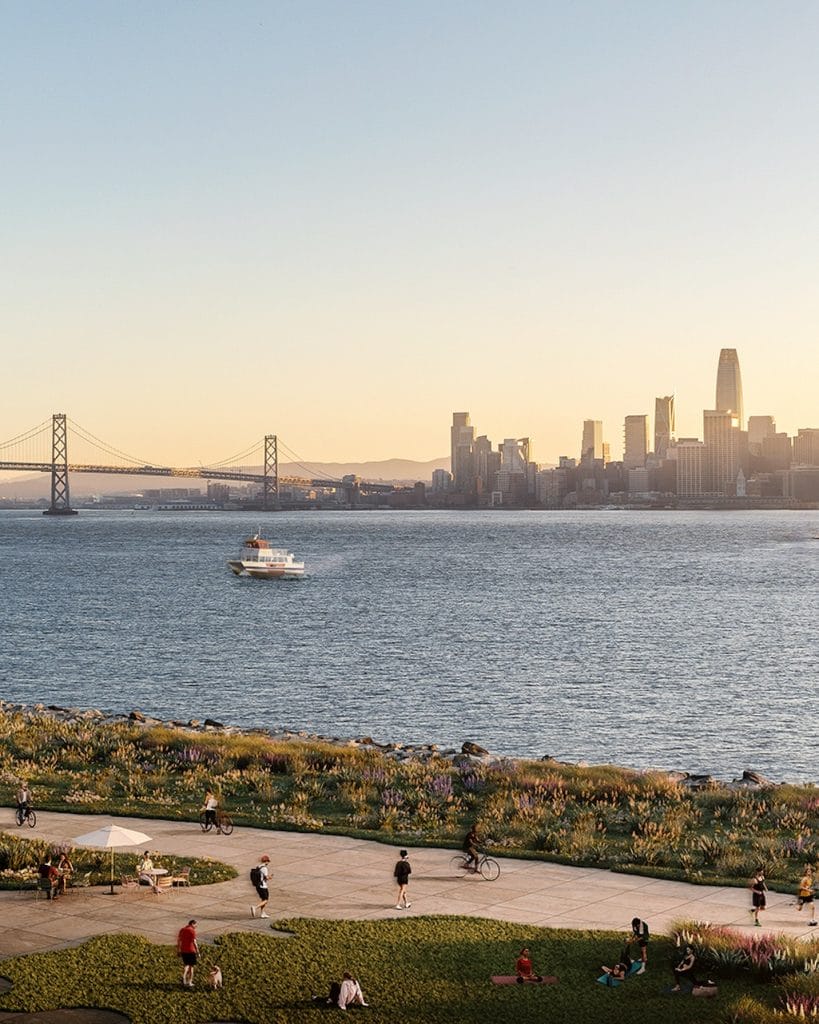
Start the morning at Cityside Park on Treasure Island, which opened in 2025 as part of a larger redevelopment project. The park features skyline viewpoints, picnic areas, bike paths, and food truck events. It’s a great place for postcard-worthy photos of San Francisco without climbing steep hills.
Afternoon: Neighborhood Wandering
Spend the afternoon exploring neighborhoods along San Francisco’s modern scenic routes. These routes were designed to highlight parks, museums, restaurants, and cultural spaces while remaining accessible by transit.
Choose areas that match your interests, whether that means visiting bookstores, browsing art galleries, or trying independent restaurants.
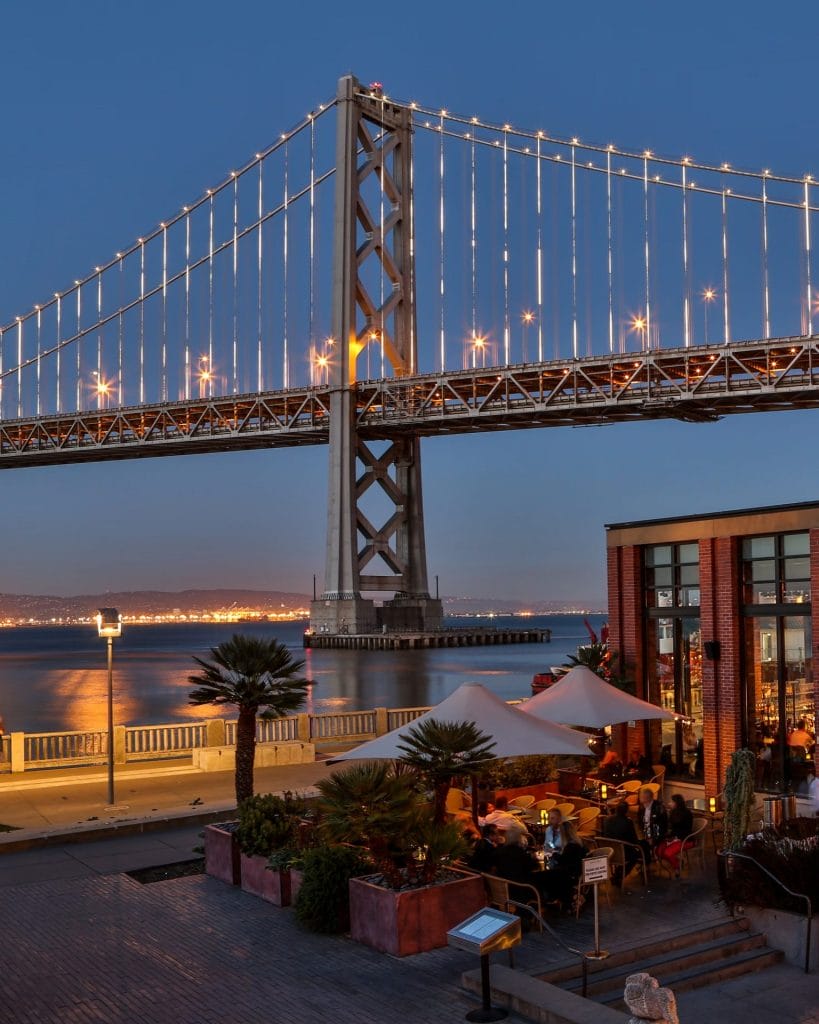
Evening: Return to the Waterfront
Finish your trip with a sunset walk along the Embarcadero waterfront. The area offers beautiful bay views and easy access to transit before departure.
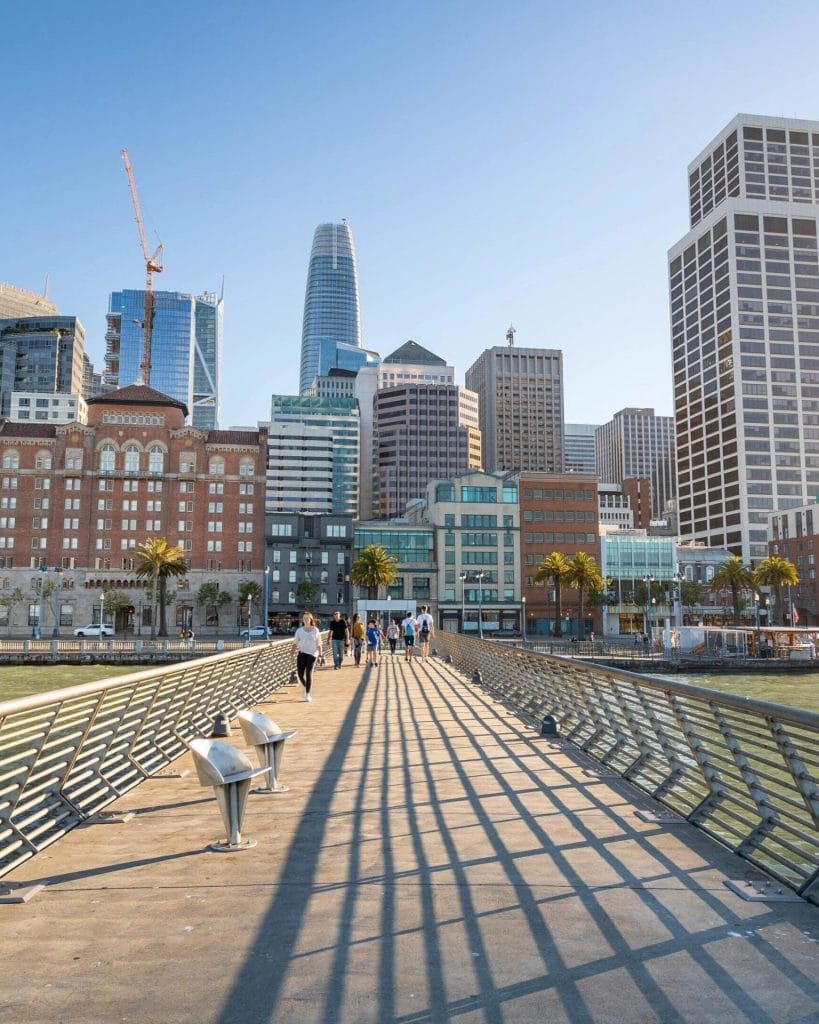
Getting Around Efficiently
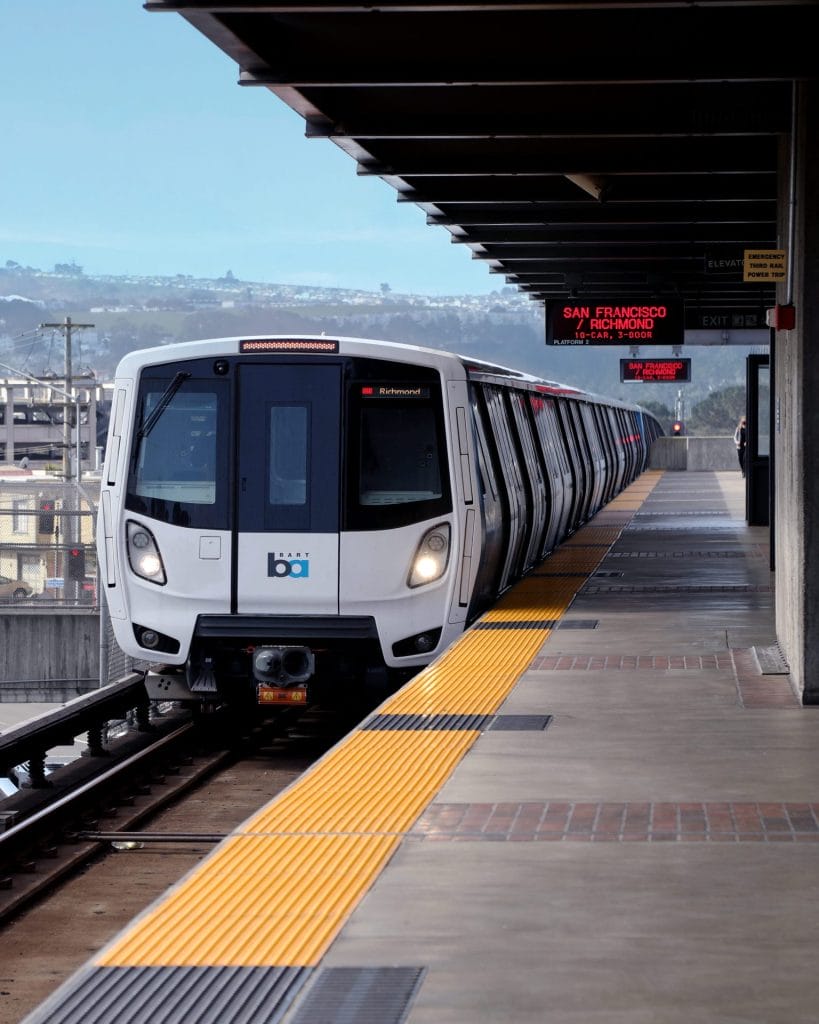
Recent transit updates across the Bay Area mean travel costs have increased slightly, including a 6.2% BART fare increase in 2026. Despite this, public transportation remains one of the easiest ways to navigate the city without a car.
From the airport: Many travelers reach downtown from San Francisco International Airport via BART in about 30–35 minutes.
Reality check: San Francisco is very walkable, but some neighborhoods include steep hills.
Smart Tips for a Car-Free Trip
- Cluster attractions by neighborhood to reduce transit time.
- Book Alcatraz early, as departure windows can vary widely.
- Mix transit with walking to discover hidden streets and viewpoints.
- Leave buffer time between tours, ferries, or transit connections.
More…

Hi! I’m Vivian, a video editing and content creation intern at Hungry416 and OverHere. I’m passionate about content creation and exploring everything the city has to offer! From fun activities to the latest good eats in the buzzing food scene, I give the best of what this city has to offer, a stage to shine on!