Tesla Robotaxis Hit San Francisco Streets — But With a Human at the Wheel
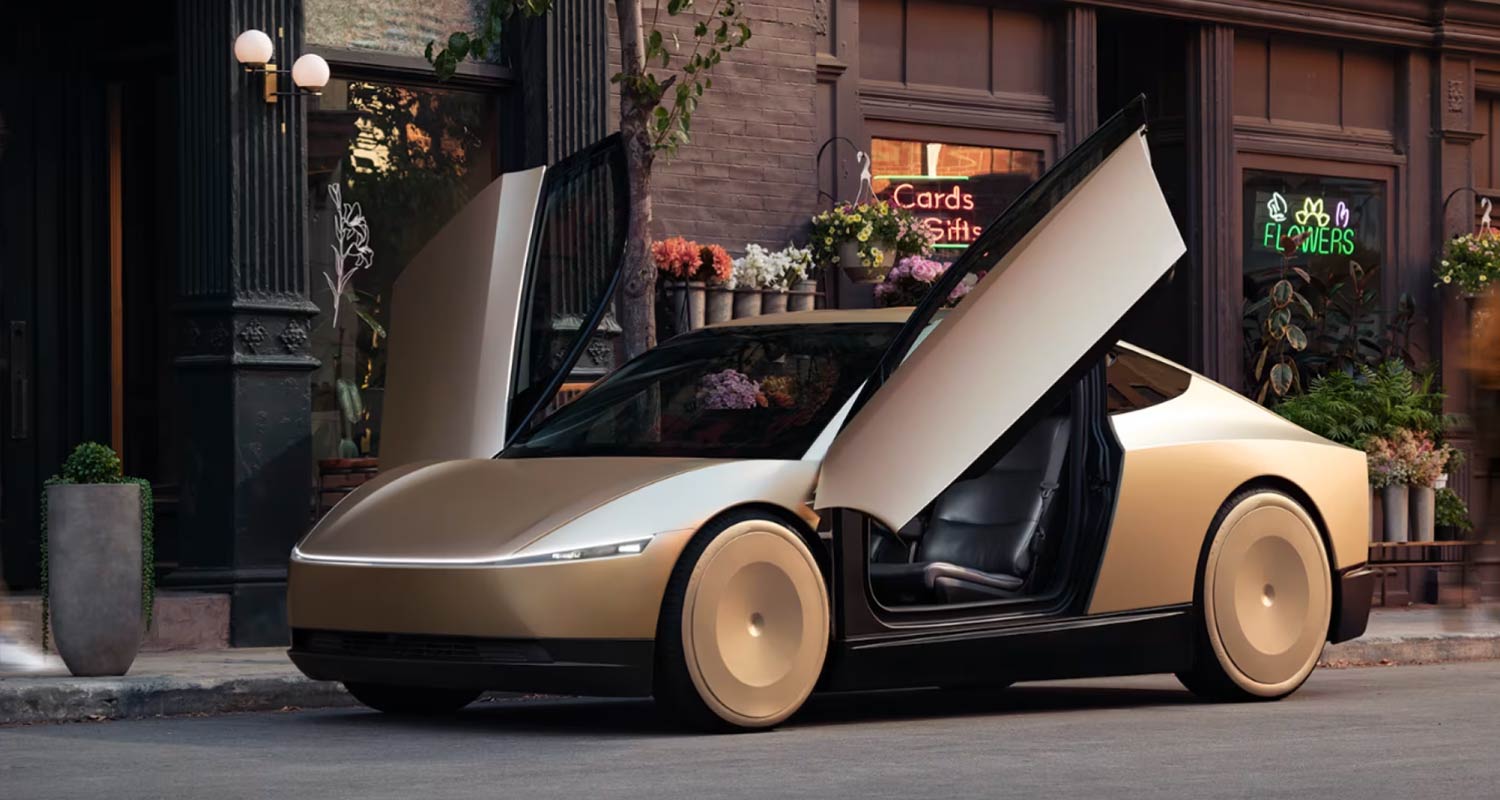
Tesla’s highly anticipated robotaxi service has officially begun its pilot phase in San Francisco. However, it’s not the driverless future some were expecting. Despite CEO Elon Musk’s long-standing promises of full autonomy, the current robotaxi rides have a human operator behind the wheel, ensuring safety and oversight during these early trials.
Not Fully Driverless Yet
While Tesla’s ride-hailing concept aims to showcase the power of its Full Self-Driving (FSD) technology, the vehicles are not operating without human intervention. Instead, Tesla has assigned trained safety drivers to monitor each ride, stepping in if the system encounters a situation it can’t handle on its own.
This soft launch reflects a cautious approach, especially after the scrutiny faced by other autonomous vehicle programs. Recent high-profile incidents involving self-driving cars from competitors like Cruise and Waymo have heightened regulatory pressure in California, prompting Tesla to tread carefully.
What Passengers Can Expect

Here’s what riders are experiencing during these pilot robotaxi rides in San Francisco:
- Tesla Model S or Model X vehicles equipped with the latest FSD beta software.
- A human safety driver sitting behind the wheel, ready to take control if necessary.
- Rides restricted to pre-selected routes within San Francisco’s urban core.
- Performance monitoring by Tesla engineers to collect real-world driving data.
- Limited availability, as Tesla is only offering rides to a small pool of testers.
Tesla hasn’t announced when it plans to remove the human driver from its robotaxi operations, but sources suggest the company is aiming for gradual progress throughout 2025.
Regulatory Caution and Public Perception
California regulators are watching Tesla’s pilot closely. Although the company markets its FSD package as autonomous, legal classifications still consider these vehicles as “driver-assist” systems rather than fully self-driving. The inclusion of a human safety driver aligns with state guidelines requiring a fallback operator during advanced testing phases.
For Tesla, this cautious rollout serves a dual purpose: it allows real-world testing in a controlled environment while managing public expectations. Unlike some competitors who faced setbacks by rushing to remove human oversight, Tesla seems to be opting for a more deliberate strategy.
The Road Ahead for Tesla’s Robotaxis

While Tesla’s robotaxi rides may not yet match the driverless experience promised in Musk’s presentations, the pilot represents a critical step forward. The gathered data will feed into Tesla’s continuous FSD software development, inching closer to a version that might one day operate without human intervention.
For now, San Franciscans curious about the future of autonomous mobility will have to settle for a human chaperone in the driver’s seat — at least until the technology, and regulators, give the green light.
More…
- https://www.theverge.com/news/716867/tesla-robotaxi-san-francisco-launch
- https://www.businessinsider.com/teslas-ride-hailing-service-live-in-san-francisco-musk-says-2025-7
- https://www.t3.com/auto/teslas-robotaxi-service-arrives-in-san-francisco-but-theres-a-catch
- https://www.overheresf.com/san-francisco-rolls-out-ai-chatbot-to-support-city-workers/