How to Use Public Transportation in San Francisco: 10 Tips
San Francisco’s transit system can look a little intimidating at first glance—cable cars climbing hills, buses weaving through traffic, BART trains running underground. If you’re wondering how to use public transportation in San Francisco, it’s actually one of the easiest ways to see the city and skip the parking headaches. Here are ten tips that’ll help you ride with less stress and more confidence, whether you’re here for a weekend visit or sticking around longer.
Tips for Getting Around San Francisco with Public Transit
1. Pick up a Clipper Card
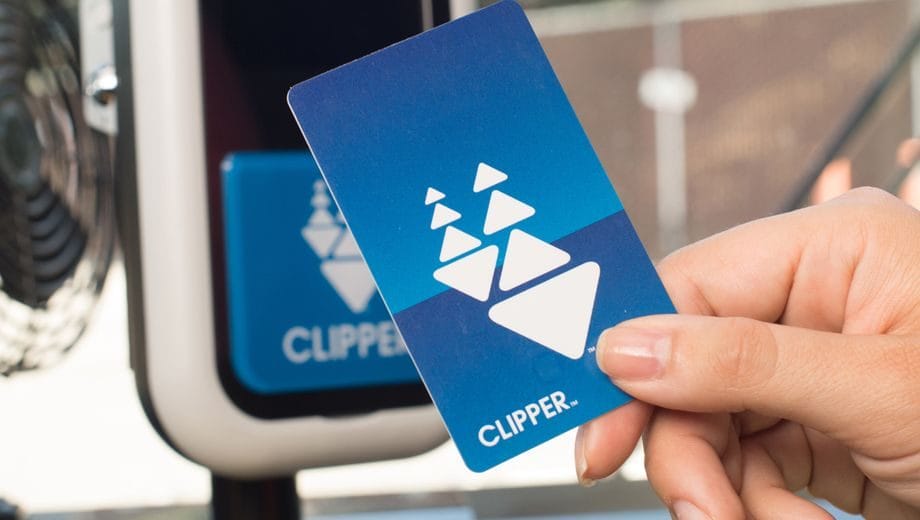
If you plan on using transit more than once or twice, get a Clipper Card. It’s accepted across Muni, BART, Caltrain, and even some ferries. Load it with cash or passes, and avoid fumbling with paper tickets. Mobile wallet support is expanding, but the Clipper app remains the most reliable option.
- Where to get one: Muni stations, BART stations, retail stores, online Clipper Card
- Best For: Frequent riders, multi-system trips
- Extra Tip: Link it to the Clipper mobile app for balance tracking
2. Download Transit Apps Before You Need Them
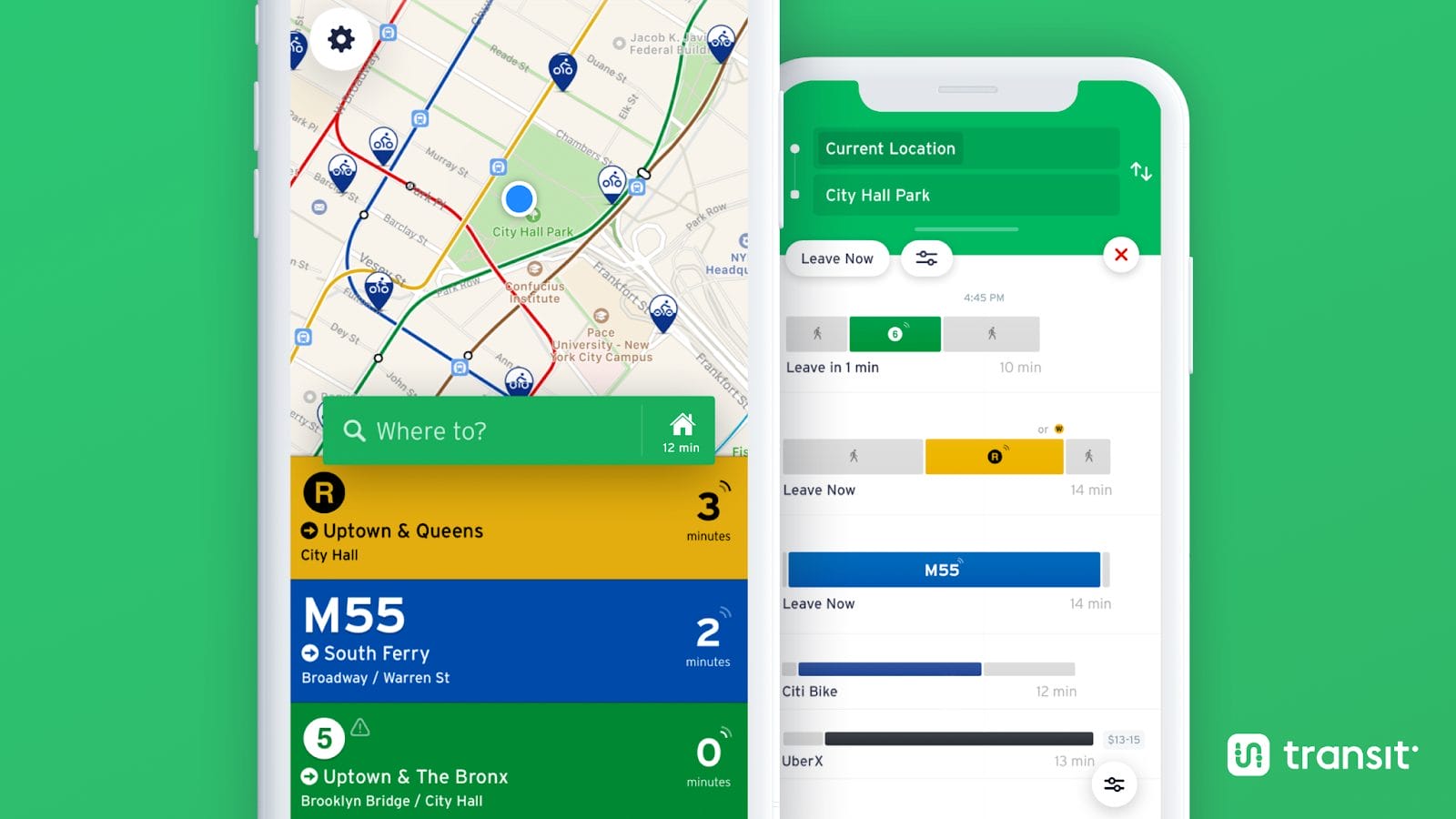
The MuniMobile app is helpful for buying and activating tickets in advance. Google Maps and the Transit App are reliable for real-time arrivals and trip planning. Having multiple apps can save you if one glitches or shows outdated data.
- Recommended Apps: MuniMobile, Transit App, Google Maps
- Real-Time Updates: Track arrivals, delays, and service alerts
- Extra Tip: Have at least two apps in case one glitches
3. Choose the Right Pass for Your Stay
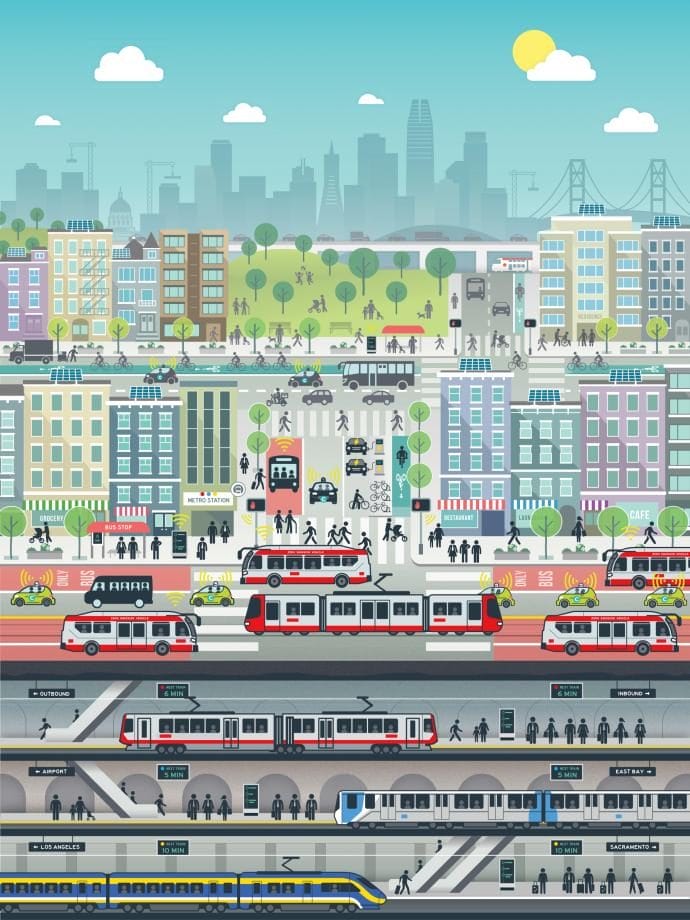
If you’re visiting, Muni offers one, three, or seven-day Visitor Passports that include unlimited rides, cable cars included. Locals may find value in a monthly pass. Calculate how many rides you’ll actually take—sometimes a simple Clipper balance is cheaper than a day pass.
- Options: 1, 3, 7-day Visitor Passes or monthly pass
- Best For: Tourists planning multiple rides in a day
- Extra Tip: Compare single fares vs pass prices to save money
4. Understand the Agencies
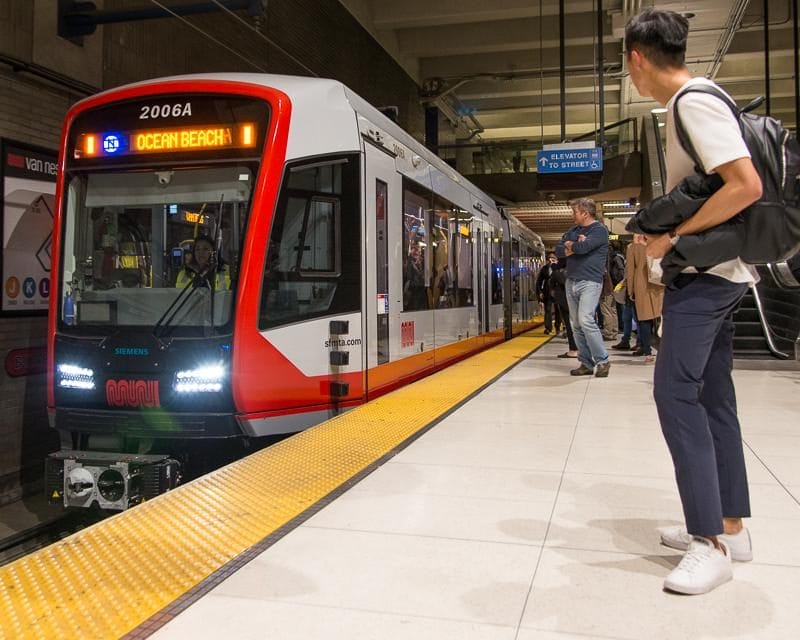
Muni and BART are separate systems. A Muni ticket won’t get you on BART, and vice versa. Be mindful of where your trip starts and ends. If you’re traveling to the airport, BART is usually the most direct route. For getting around the city itself, Muni covers more ground.
- Main Systems: Muni (city) SFMTA, BART (regional) BART
- Best For: Airport trips or neighborhood travel
- Extra Tip: Plan your route by checking which system covers your start and end points
5. Avoid Peak Commute Hours
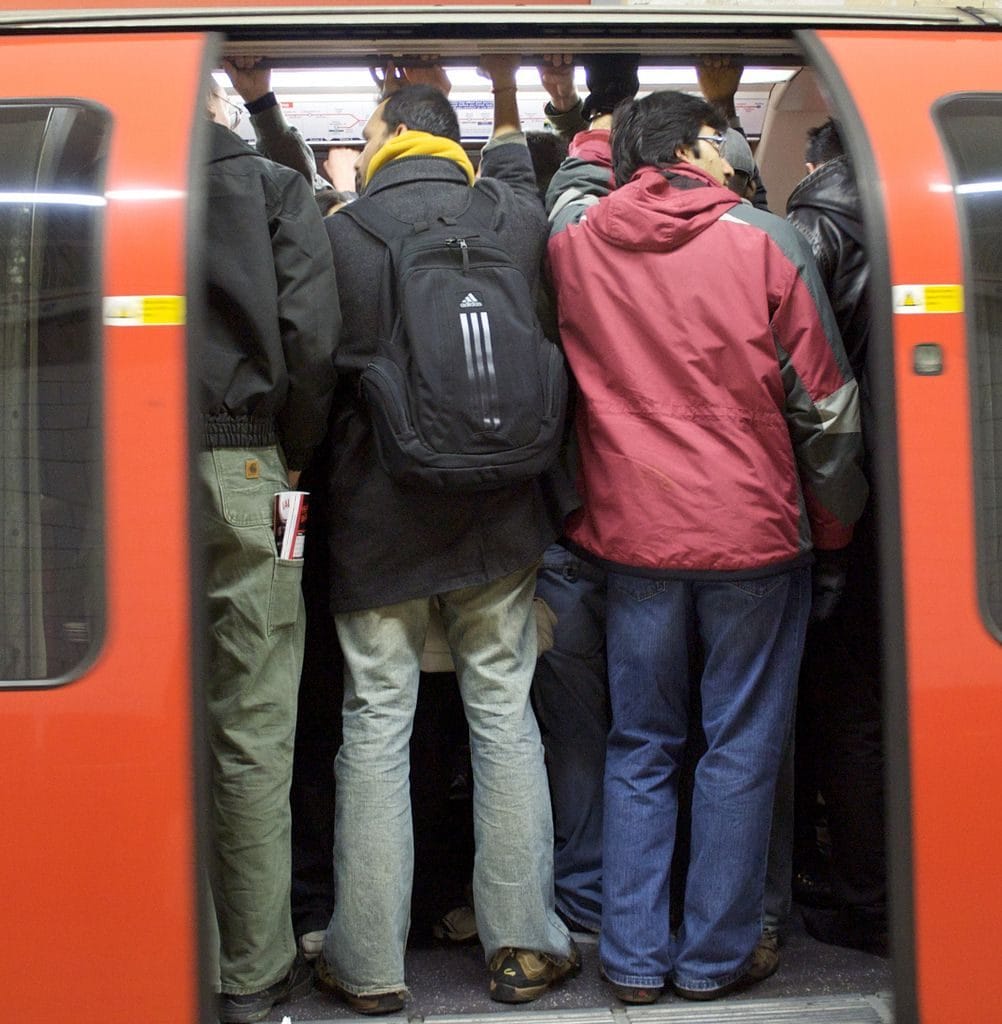
If you’re flexible, avoid boarding during weekday rush hours (7–9 a.m. and 4–6 p.m.). Trains and buses get crowded quickly. Midday, evenings, and weekends are more comfortable, though service frequency may drop on less busy routes.
- Peak Times: 7–9 a.m. and 4–6 p.m. weekdays
- Benefit: Less crowded and more comfortable rides
- Extra Tip: Check app schedules; off-peak frequency may vary
6. Watch for Service Changes
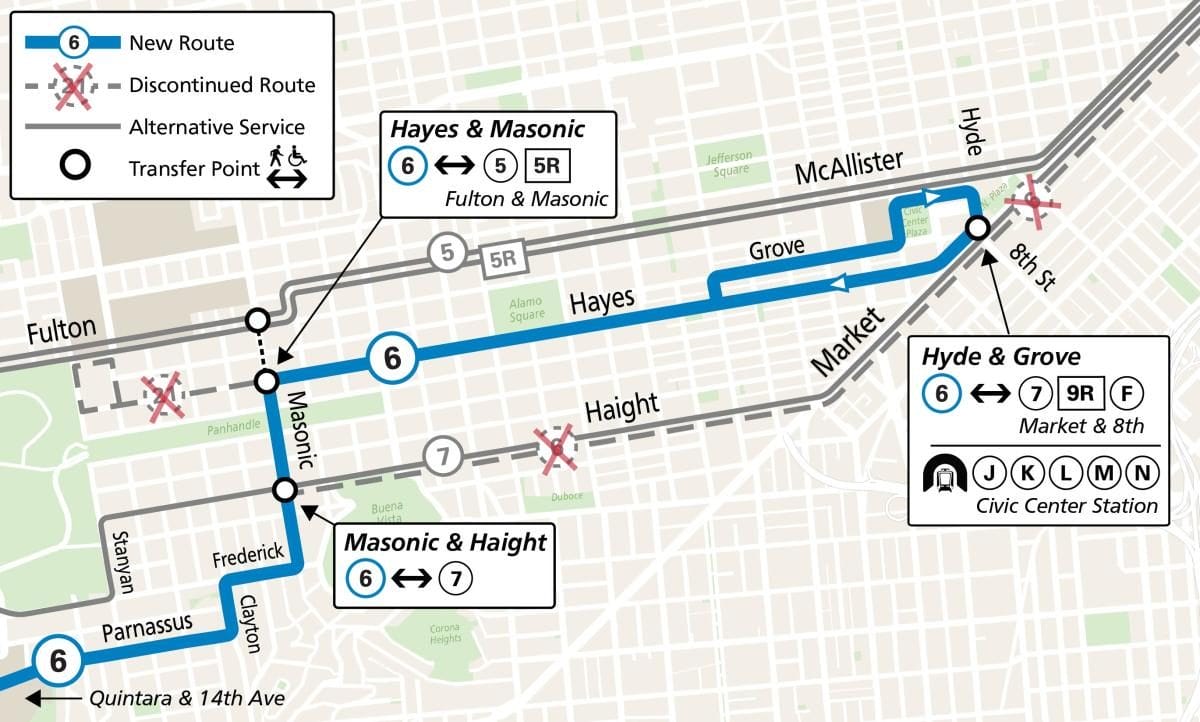
Budget constraints have affected some Muni routes, especially during off-peak hours. Always double-check schedules before heading out, particularly on weekends. The SFMTA website posts current service alerts, and apps update with cancellations or delays.
- Where to Check: SFMTA Service Alerts, transit apps
- Best For: Weekend or off-peak trips
- Extra Tip: Sign up for alerts to stay updated
7. Expect the Occasional “Drop-Off Only” Ride
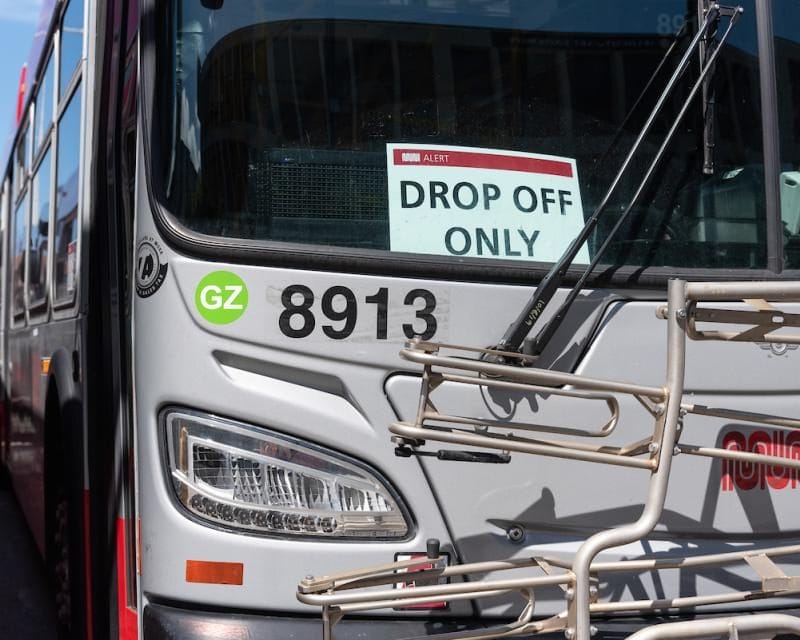
If a bus or train is at capacity, the driver may switch to a “Drop-Off Only” mode, meaning no new passengers can board until space opens up. If that happens, just wait for the next vehicle, which often arrives within minutes on busy routes.
- When It Happens: During high traffic or crowded routes
- Best For: Avoiding frustration during rush hours
- Extra Tip: Plan buffer time to reach your destination
8. Build in Buffer Time
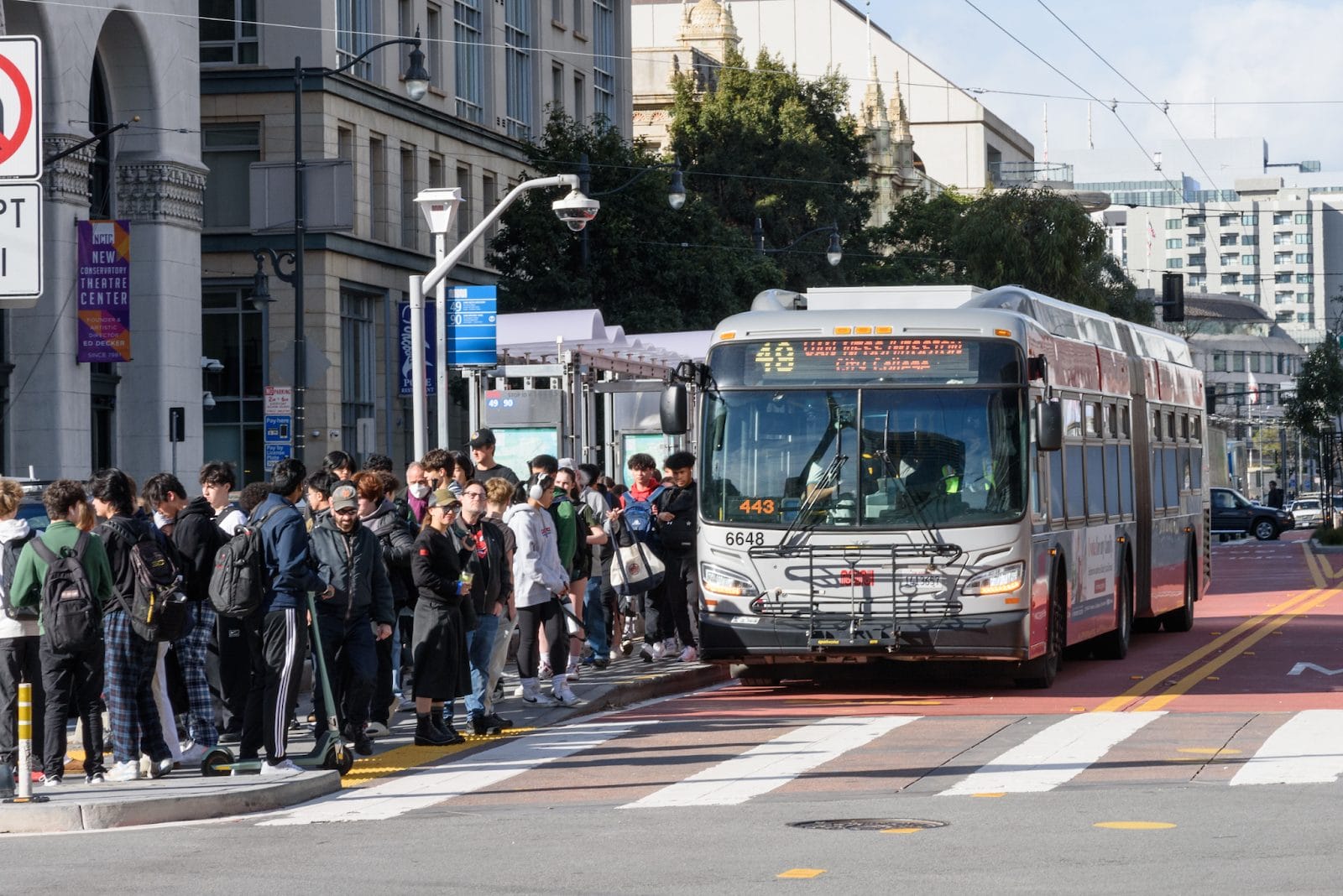
Public transportation here has improved, but delays still happen. Street traffic can slow buses and streetcars, while BART occasionally experiences service disruptions. If you have a time-sensitive meeting or a flight to catch, plan to leave earlier than you think you need to.
- Reason: Delays from traffic, streetcars, or BART disruptions
- Best For: Flights, appointments, or time-sensitive trips
- Extra Tip: Use real-time tracking apps to adjust plans
9. Stay Street-Smart
Transit in San Francisco is generally safe, but like any major city, it’s wise to stay alert. Keep your belongings secure, avoid displaying valuables, and be aware of your surroundings, especially at night or in less crowded stations.
- Safety Tips: Keep belongings secure, avoid displaying valuables
- Best Areas: Busy stations are safer at night
- Extra Tip: Stay alert in less crowded areas
10. Don’t Rely on Cable Cars for Daily Travel
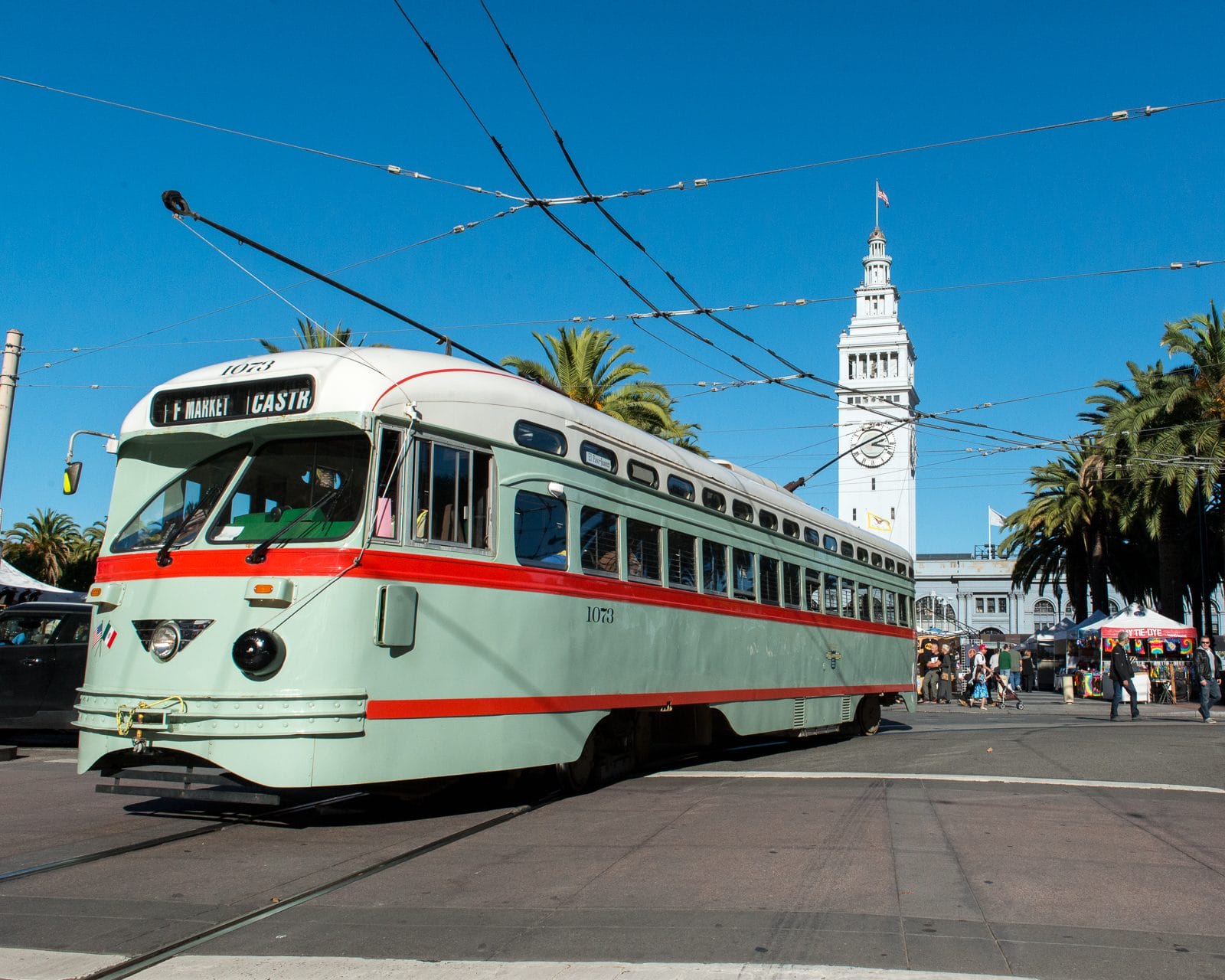
The cable cars are an attraction worth trying once, but they’re slow, crowded, and cost more than a regular Muni fare. Treat them as a ride to check off your list, not a commuting tool. For a scenic ride without the long waits, consider the F-Market historic streetcars instead.
- Reason: Slow, crowded, higher fare
- Alternative: F-Market historic streetcars for scenic rides
- Best For: A one-time tourist experience
- Extra Tip: Use cable cars for fun, not efficiency
San Francisco’s transit network is a patchwork of buses, trains, ferries, and cable cars, but once you learn the ropes, it becomes a practical way to move through the city. With a Clipper Card, a couple of apps, and smart timing, you’ll spend less time waiting and more time getting to where you want to be.
More…
- https://www.sfcitizen.com/how-ride-muni-quick-start-guide-navigating-sf-efficiently
- https://www.sf.gov/news-san-franciscos-muni-hits-75-in-ridership-recovery-making-significant-milestone-in-the-citys-recovery
- https://rovingvails.com/city-escapes/san-francisco/getting-around-san-francisco-on-public-transit

Hey, I’m Kevin! I love Asian cuisine, exploring new spots around the city, and checking out bars, restaurants, or anything that pushes me out of my comfort zone. I also enjoy camping, music, coffee shops, and weekend getaways.